In short ⚡
Importing Black Pepper and Spices from Vietnam requires a defined product specification, destination-specific compliance checks, supplier verification, lot testing and controlled shipping. Follow these steps:- Define the buying specification: State the product, form, density, moisture, cleanliness, microbiology, pesticide residues, packaging, volume, shipment period and destination.
- Check destination requirements: Review applicable rules for fumigation, residues, Salmonella, aflatoxins, certificates and other food-safety limits in the EU, United States, United Kingdom or destination market.
- Shortlist qualified processors: Verify the factory address, processing flow, certifications, export history, laboratory reports, traceability and steam-sterilisation capability where required.
- Approve samples and sign the contract: Test representative samples, then define quality tolerances, inspection rights, laboratory requirements, claims, rejection terms, payment conditions and price validity.
- Inspect and test before loading: Check the lot, packaging, quantity, container and seal through independent pre-shipment inspection, and obtain the agreed laboratory documents.
- Complete shipping and arrival controls: Match lot numbers across the invoice, packing list, certificate of analysis, origin document and transport documents; retain an arrival sample and compare its results with the pre-shipment report.
Key topics include Vietnam’s pepper supply and prices, product specifications for pepper and other spices, destination food-safety rules, supplier audits and contracts, packaging and shipping, and the first-order process.
We hope you’ll find this article genuinely useful, but remember, if you ever feel lost at any step, whether it’s finding a supplier, validating quality, managing international shipping or customs, FNM Vietnam can handle it all for you!
To import black pepper from Vietnam successfully, define the lot by measurable parameters such as density, moisture, light berries, extraneous matter, microbiology and pesticide residues. Then buy from a processor that can provide representative samples, laboratory results, pre-shipment inspection and documentation matched to your destination market.
DocShipper Info
Get verified processors and lot-specific quotations before committing to your spice programme.
Why buy pepper and spices from Vietnam
Vietnam is the world’s leading pepper exporter. In 2025, its pepper exports reached 247,482 tonnes and US$1.66 billion, according to Viet Nam News on 9 January 2026.
The main pepper-growing areas are in the Central Highlands and southern Vietnam, while processing and export operations are concentrated around industrial and port areas near Ho Chi Minh City. This sourcing structure gives buyers access to collectors, cleaning plants, sterilisation facilities, exporters and integrated processors, but the quality of those suppliers varies considerably.
The United States represented 22.3% of Vietnam’s pepper export volume in 2025. Vietnam also supplied 55.7% of UK pepper imports, according to MOIT GoGlobal, giving UK buyers an established supply base for black and white pepper.
Price data must be treated as a dated reference, not as a quotation. The 2025 average export price was US$6,607 per tonne for black pepper and US$8,629 per tonne for white pepper. Since value increased by 26% while volume fell by 1.2%, your purchasing budget should include a price-validity period and a clear adjustment mechanism.
Vietnam’s supply is not limited to pepper. Cinnamon exports reached approximately 120,300 tonnes worth US$300 million in 2025. The Vietnam Pepper and Spice Association, or VPSA, is a useful industry reference when checking market participants and sector developments.
| Product | 2025 reference | Buying implication |
| Vietnamese pepper | 247,482 tonnes; US$1.66 billion | Large export base, but specifications and processing capability still require verification |
| Black pepper | US$6,607/t average export price | Use as a dated market reference, not a fixed offer |
| White pepper | US$8,629/t average export price | Expect a different specification and price structure from black pepper |
| Cinnamon | Approximately 120,300 tonnes and US$300 million | Potential complementary product for a mixed spice programme |
DocShipper Tips
Put measurable tolerances and testing methods directly into your contract.
Pepper grades and specifications to put in your contract
Specify black pepper by density, moisture, light berries, extraneous matter, microbiology and residues. For example, “500 g/l” or “550 g/l” describes the bulk density of the peppercorns, while ASTA-cleaned and sterilised describe processing and cleanliness requirements, not identical commercial grades.
Density is generally expressed in grams per litre. A 550 g/l lot is denser than a 500 g/l lot, but density alone does not confirm moisture, cleanliness, colour, microbiological safety or pesticide compliance. Your contract should therefore state the testing method, acceptance tolerance and consequences if the result falls outside specification.
Moisture affects stability during storage and transit. Add a maximum moisture level agreed with your buyer, together with limits for light berries, broken berries, mould, foreign material and extraneous matter. “Light berries” should be defined rather than left to interpretation, because supplier and buyer sampling practices may differ.
Ask whether the product is FAQ, cleaned to an agreed ASTA specification, steam-sterilised or ground. FAQ is a commercial description that may indicate a basic cleaned product, whereas ASTA specifications are used by buyers to define cleanliness requirements. Steam sterilisation is a microbial reduction process and must be supported by a process record and a laboratory certificate.
European buyers should compare their contract against the relevant European Spice Association, or ESA, quality minima. US buyers commonly refer to American Spice Trade Association, or ASTA, cleanliness expectations. Neither reference replaces the legal requirements of the destination country.
| Product or grade | Key specifications to define | Typical use |
| Black pepper, 500 g/l | Density, moisture, light berries, extraneous matter, Salmonella, residues | Food manufacturing, grinding and seasoning blends |
| Black pepper, 550 g/l | Density, moisture, cleanliness, microbiology and destination-market residues | Higher-density whole pepper or premium processing programmes |
| White pepper | Density, colour, moisture, odour, cleanliness, Salmonella and residues | Light-coloured sauces, processed foods and seasoning blends |
| Steam-sterilised pepper | Steam process parameters, post-process handling and microbiological certificate | Markets or applications requiring controlled microbial risk |
| Ground pepper | Particle size, moisture, microbiology, adulteration controls and packaging barrier | Retail, foodservice and industrial formulations |
Looking for a Reliable Shipping & Sourcing Partner?


Cinnamon, cassia and star anise from Vietnam
Vietnam also supplies cinnamon and cassia in sticks, broken pieces, chips and powder, as well as star anise from northern mountain areas. These products should be specified by form, size, moisture, cleanliness, colour, aroma and, where relevant, volatile-oil content.
Cassia and cinnamon are commercial terms that can refer to different botanical materials and market conventions. State the botanical name or accepted product description, country and region of origin, cut or stick dimensions, oil requirement and intended use in the purchase contract.
For star anise, define whole or broken form, size, colour, moisture, foreign material, mould and microbiological requirements. Powdered products require additional controls for particle size, identity and contamination because grinding makes visual inspection less effective.
Vietnam’s cinnamon exports reached approximately 120,300 tonnes worth US$300 million in 2025. This scale can support consolidated sourcing, but a supplier offering several spices is not automatically qualified for every product. Audit each processing line and request product-specific certificates.
For a mixed order, keep specifications and test reports separate by product and lot. A processor may have suitable equipment for pepper cleaning but outsource cinnamon grinding or star anise packing, which changes the traceability and inspection requirements.
| Product | Forms to request | Priority specifications |
| Cinnamon or cassia | Sticks, broken pieces, chips, powder | Botanical identity, size, moisture, cleanliness, colour and oil content where required |
| Star anise | Whole, broken or powder | Size, moisture, mould, foreign matter, identity and microbiology |
| Pepper | Whole black, whole white, ground | Density, moisture, cleanliness, Salmonella and residues |
DocShipper Tips
Request separate specifications, certificates and traceability records for every lot and processing line.
Food-safety requirements by destination
The EU bans ethylene oxide and methyl bromide fumigation for these products and applies limits to contaminants, residues and microbiological hazards. US importers must meet FDA requirements and operate an appropriate Foreign Supplier Verification Program, while UK buyers must check current UK rules separately from EU rules.
For EU shipments, request a lot-specific certificate of analysis covering Salmonella, pesticide residues and relevant contaminants. The CBI reports an aflatoxin B1 limit of 5 µg/kg and a total aflatoxin limit of 10 µg/kg for pepper, a benzo(a)pyrene limit of 10 µg/kg, a chlorate limit of 0.07 mg/kg and an ESA extraneous-matter level of no more than 1%.
Do not treat a general certificate from a previous shipment as proof of compliance. Residue limits depend on the product, destination and applicable legislation, so check the EU Pesticides Database and verify the current requirements before production.
For the United States, the importer remains responsible for supplier verification under the FDA’s FSVP framework. Review the supplier’s food-safety plan, hazard analysis, laboratory controls, sanitation records and corrective-action process through the FDA FSVP guidance.
UK, Middle Eastern and Asian buyers should specify their own residue, microbiology and documentation requirements rather than assuming that an EU-compliant lot is automatically accepted. Check whether the shipment needs a certificate of origin, phytosanitary certificate, health certificate or additional importer declaration.
| Destination | Key checks | Documents and tools |
| EU | No ethylene oxide or methyl bromide fumigation; aflatoxin B1 5 µg/kg; total aflatoxin 10 µg/kg; benzo(a)pyrene 10 µg/kg; chlorate 0.07 mg/kg | Lot COA, residue report, microbiology report, EU Pesticides Database, RASFF review |
| United States | FDA compliance, Salmonella and filth controls, supplier verification | FSVP records, hazard analysis, supplier approval file and lot COA |
| United Kingdom | UK-specific food, residue and import requirements; preference rules where applicable | Current UK customs and food-safety documents, origin evidence and COA |
| Middle East and Asia | Destination-specific residues, microbiology, labelling and certificate requirements | Import permit where required, COA, origin and product-specific certificates |
DocShipper Alert
Verify current residue limits and certificates before production, not after shipment.
Choosing a supplier, contract and inspection
Prefer a processor with cleaning, sorting and steam-sterilisation capability over a trader who cannot demonstrate control of the physical lot. Certifications such as BRCGS, IFS or FSSC 22000 can support supplier approval, but they do not replace your own product specification, audit and testing.
Start by checking the company’s legal identity, factory address, export history, product range and ownership of processing equipment. Ask for a recent factory video or live inspection, but treat visual evidence as preliminary. Confirm capacity, traceability from raw material intake to finished bags and the laboratory used for certificates.
Your contract should include the product description, origin, crop or production period where relevant, density, moisture, light berries, extraneous matter, microbiology, residues, packaging, marking, inspection rights, claim procedure and rejection terms. It should also define whether a result is based on supplier testing, an independent laboratory or the buyer’s arrival test.
Use an independent inspection before loading. The inspector should verify quantity, packaging, container condition, lot identity, sampling method, visual cleanliness and seals, while an accredited laboratory analyses representative samples. Payment can then be linked to compliant inspection and laboratory documents rather than only to a supplier’s pro forma invoice.
Phan Minh Thong, Chairman of Phuc Sinh Group, a pepper and coffee exporter, said that “many Vietnamese enterprises are investing in processing technologies to boost value-added exports,” as reported by Viet Nam News on 9 January 2026. For a buyer, the practical question is whether that investment exists at the specific factory supplying your lot.
| Contract item | What to write |
| Product | Black pepper, white pepper, cinnamon, cassia or star anise; whole, broken or ground |
| Quality | Density, moisture, light berries, extraneous matter, colour, size and particle size where relevant |
| Safety | Salmonella, pesticide residues, aflatoxins, PAH, chlorate and destination-specific limits |
| Testing | Sampling method, laboratory, test timing, report validity and acceptance tolerance |
| Inspection | Independent pre-shipment inspection, quantity check, packaging check and container seal |
| Payment | Deposit, balance trigger, document requirements and procedure for non-conforming goods |
DocShipper Tips
Arrange factory checks, independent sampling and pre-shipment testing before releasing payment.
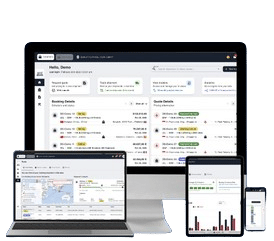
DocShipper Platform
One platform. Your entire supply chain
Sourcing, freight, customs & documents — all centralised, all visible, 24/7.
Packing and shipping spices from Vietnam
Pepper and other spices should be packed to control moisture, contamination, odour transfer and physical damage. The final bag, liner or carton specification depends on whether the product is whole, broken or ground and on your storage and handling system.
Ask the supplier to state the packaging material, net weight, liner type, sewing or sealing method, palletisation and lot coding. Ground spices usually need stronger moisture and oxygen protection than whole peppercorns. Do not approve packaging only from a photograph; inspect the actual production packaging before loading.
Use a clean, dry and odour-free container. Inspect the floor, walls, roof, door seals and ventilation, and reject a container with water stains, chemical odour, holes or visible contamination. Desiccants and moisture-control measures should be selected according to the cargo, route and shipper’s loading procedure.
For shipments from the Central Highlands or southern production areas, exporters commonly move cargo through ports serving Ho Chi Minh City, including Cat Lai or Cai Mep depending on the routing and booking. Confirm the actual port, cut-off date, container type, shipping line, required certificates and destination customs documents before production is finished.
Request the commercial invoice, packing list, bill of lading, certificate of analysis, certificate of origin and any phytosanitary or health document required by the destination. Never use prohibited fumigants to solve a compliance problem. The treatment and certificate must be accepted by the destination authority before loading.
DocShipper Tips
Use our sourcing and inspection support to validate suppliers, samples, documents and shipment readiness.
Step by step: your first spice order from Vietnam
The safest first order follows a controlled sequence: define the destination specification, shortlist processors, approve samples, test the production lot, inspect before loading and ship only when the document file is complete.
- Define the buying specification. State product, form, density, moisture, cleanliness, microbiology, residues, packaging, annual volume, target shipment period and destination.
- Check the destination rules. Review the EU, US, UK or other applicable limits, including fumigation restrictions, pesticide residues, Salmonella, aflatoxins and required certificates.
- Shortlist processors. Ask for the factory address, processing flow, certifications, previous export markets, laboratory reports and evidence of steam-sterilisation capability if required.
- Approve samples. Test representative samples for the parameters that determine commercial acceptance. A sample approval should not remove the requirement to test the production lot.
- Sign a detailed contract. Include tolerances, inspection, laboratory, claim, rejection, payment and price-validity clauses. Because pepper prices move weekly, define the quotation validity and price-fixing window.
- Inspect and test before loading. Verify the lot, packaging, quantity, container and seal, then release payment only against the agreed inspection and laboratory documents.
- Review the document pack. Match lot numbers across the invoice, packing list, COA, origin document and transport documents before the container leaves Vietnam.
- Control arrival and feedback. Retain an arrival sample, compare results with the pre-shipment report and record any deviation for the next purchase.
Use this RFQ template when contacting Vietnam pepper suppliers:
- Product: black pepper, white pepper, cinnamon, cassia or star anise
- Form: whole, broken, powder or steam-sterilised
- Required grade: density in g/l or product-specific size and quality description
- Quality limits: moisture, light berries, extraneous matter, colour, size and particle size
- Food safety: Salmonella, pesticide residues, aflatoxins, PAH, chlorate and other destination limits
- Documents: COA, origin, phytosanitary or health certificate if required, and inspection report
- Packaging: material, liner, net weight, lot marking and pallet requirements
- Commercial terms: price validity, Incoterm, lead time, payment terms and inspection condition
- Destination: port, country and importer requirements
Conclusion
- Vietnam is the leading pepper exporter, with US$1.66 billion in pepper exports in 2025.
- Buy on measurable specifications such as density, moisture, cleanliness, microbiology and residues, not on a grade name alone.
- For EU shipments, ethylene oxide and methyl bromide fumigation are banned, and aflatoxin, PAH, chlorate and extraneous-matter limits apply.
- Test every production lot and link payment to independent inspection and laboratory documentation.
- Protect spices from moisture with suitable packaging, a clean container and a complete document file.
Looking to import black pepper, white pepper, cinnamon or star anise from Vietnam? We can verify processors, coordinate pre-shipment inspection and laboratory testing, and arrange FCL shipping from Vietnam so your lot matches its specification and clears your border.
FAQ | How to Import Black Pepper and Other Spices from Vietnam
Vietnam’s main pepper harvest generally runs from February to April, particularly in the Central Highlands and southern growing regions. Buying during or shortly after harvest may offer better access to fresh lots, but it does not automatically guarantee better quality. Ask the supplier to identify the crop year, harvest period, storage duration and date of processing, then test the actual lot before shipment.
Yes, but LCL can create additional risks for spices, including exposure to odours, moisture and contamination from other cargo. Confirm the supplier’s minimum order quantity, packaging format and whether the shipment will be consolidated in a food-compatible warehouse. For a first purchase, use a small validated lot with separate lot coding and independent testing rather than mixing untested cargo with a larger order.
Do not base your budget on the supplier’s FOB or CIF quotation alone. Add freight, insurance, customs duty, import VAT or sales tax, customs brokerage, port handling, laboratory testing, inspection, storage and possible demurrage. Confirm the correct HS classification with your customs broker: pepper, cinnamon, star anise, ground products and spice mixtures may fall under different national tariff lines. Ask the supplier to quote the Incoterm, named place and validity period clearly.
Do not release the goods for production or blend them with compliant stock. Immediately preserve the bags, seals, labels and samples, notify the supplier according to the contract and arrange a documented retest through an agreed independent laboratory. Your contract should specify the sampling method, laboratory hierarchy, claim deadline, replacement or credit procedure and responsibility for return, destruction, storage and disposal costs.
Visual inspection is not sufficient once the product has been milled. Before approving a supplier, request identity and authenticity testing appropriate to the product, such as microscopy, DNA testing, volatile-oil profiling, ash analysis or marker-compound testing. Compare the result with an approved reference sample and require tamper-evident lot coding. If the supplier changes the raw-material source, mill or subcontractor, repeat the identity assessment.
A letter of credit can provide stronger document control than an unsecured bank transfer, but it only protects you if the documentary conditions are precise. Link payment to the agreed inspection report, lot-specific COA, packing list, transport document, certificate of origin and any required import certificate. For smaller orders, escrow or a staged payment arrangement may be more practical. Avoid paying the full balance solely against photographs or a supplier-issued certificate.
Need Help with Logistics
or Sourcing in Vietnam ?
First, we secure the right products from the right suppliers at the right price by managing the sourcing process from start to finish. Then, we simplify your shipping experience - from pickup to final delivery - ensuring any product, anywhere, is delivered at highly competitive prices.


Fill the Form
Prefer email? Send us your inquiry, and we’ll get back to you as soon as possible.
Contact us