Freight Shipping between Vietnam and Hungary | Rates – Transit times – Duties and Taxes

Freight between Vietnam and Hungary looks simple on a map, but once your cargo leaves Hai Phong or Ho Chi Minh City and has to reach a landlocked hub like Budapest, you quickly realize that inland legs, customs strategy, and Incoterms such as FOB or DDP change everything. If you are researching freight vietnam hungary, you are probably comparing transit times, freight rates, and duty exposure, and you want clear answers before you lock your purchase order. The first thing we always tell you is this, your real cost is not just the ocean or air rate, it is how well you plan routing, clearance, and final delivery from day one. In this destination guide, we will cover transport options, transit logic, customs procedures, duties and taxes, and the practical checkpoints you should validate before you ship.

Which are the different modes of transportation between Vietnam and Hungary?

If cost is your priority and your cargo is not urgent, you will usually choose sea freight from Hai Phong Port or Cat Lai Port, with containers moving onward by rail or truck to Budapest. If you need speed or ship high-value goods, you will prefer air freight via Noi Bai Airport or Tan Son Nhat to Budapest Ferenc Liszt Airport, accepting a higher rate for shorter transit.

If your volumes are regular and predictable, you can also combine sea freight to a major European gateway like Hamburg and rail into Hungary to balance cost and reliability. The logic is simple, you choose based on budget, urgency, cargo type, and risk tolerance, and if you want a second opinion, we can check real-time capacity and pricing to confirm what makes sense before you book, then we will break each option down in detail below.

How can FNM Vietnam help?

Shipping goods between Vietnam and Hungary? FNM Vietnam bridges the distance, handling everything from customs to transport. Let us shoulder the logistics while you focus on growing your business. Need a free estimate? Contact us and receive it within 24 hours. Have questions? Our expert consultants are always a call away.

Sea freight from Vietnam to Hungary

If you are planning sea freight from Vietnam to Hungary, you usually choose it for one reason, cost control on medium to high volumes. When you ship more than 8 to 10 CBM or a full container, container shipping Vietnam to Hungary is almost always cheaper than air. The trade-off is time. You should expect around 35 to 45 days door to door depending on routing and inland delivery to Budapest or another Hungarian city.

Here is the key thing you need to understand. Hungary is landlocked, so your cargo will not arrive directly at a Hungarian seaport. It usually moves via Adriatic or North European gateways and then by rail or truck to Budapest. This means your port-to-port shipping service is only part of the journey. Inland Europe transport and terminal handling often represent a significant share of your final bill.

You should choose ocean freight if you can plan ahead, consolidate volumes, and accept a longer shipping time by sea Vietnam to Hungary. You should avoid it if you have tight seasonal deadlines or penalties for late delivery, because a missed container vessel schedule can easily push your cargo to the next sailing. From experience, the most common mistake is assuming the ocean leg is the whole story, while inland Europe delays and rail capacity constraints are what actually surprise you.

Main ports to know in Vietnam and Hungary

When you organize ocean freight Vietnam Hungary, your port choice in Vietnam and your European gateway will directly impact cost, transit time, and inland transport complexity.

  • Cat Lai, Ho Chi Minh City, the main southern export hub for containerized cargo, ideal if your supplier is in the south and you need frequent sailings to Europe.
  • Cai Mep Thi Vai, deep-sea port handling long-haul services to Europe, often used for direct or fewer transshipment routes to Central Europe.
  • Hai Phong, key northern gateway, practical if your factory is near Hanoi or northern industrial zones.

These are the most relevant main seaports in Vietnam for container exports to Europe. Choosing the wrong one can increase your domestic trucking cost inside Vietnam by several hundred dollars.

  • Budapest via Adriatic ports, most cargo bound for Hungary arrives through ports like Koper or Trieste and then moves by rail or truck. If you are looking for the nearest seaport to Budapest, Adriatic gateways are usually the most direct option.
  • Danube river ports such as Csepel, used after transshipment and inland waterway transport.

In practice, you rarely ship directly to a Hungarian river port from Asia. You normally use a feeder service to Adriatic ports and then continue inland. If you underestimate this European leg, you may face unexpected terminal handling charges and rail booking delays.

Transit times: how long does it take to ship from Vietnam to Hungary?

The average ocean transit time Vietnam to Hungary is around 30 to 40 days port to inland terminal, depending on routing and transshipment. Door-to-door can extend to 35 to 45 days once you include export handling, transshipment, and inland delivery to Budapest.

Port of Loading (Vietnam)European GatewayEstimated Transit Time
Cat Lai (HCMC)Adriatic Port + Rail to Budapest30 to 38 days
Cai MepAdriatic Port + Rail to Budapest28 to 35 days
Hai PhongAdriatic Port + Rail to Budapest32 to 40 days

You should treat these numbers as planning estimates, not guarantees. Your estimated time of arrival (ETA) depends on whether your service is direct or includes one or two transshipments. Peak season, usually before European summer and year-end holidays, can add several days due to congestion. If you do not align your booking with the cut-off date and vessel schedule, you risk a rollover to next vessel, which is one of the most common causes of delay on this corridor.


Should I choose FCL or LCL when shipping between Vietnam and Hungary?


Choosing between FCL (Full Container Load) and LCL (Less Container Load), also known as consolidation, is pivotal in ensuring strategic, cost-effective, and timely freight operations between Vietnam and Hungary. This decision could determine the success of your shipping process, influencing everything from your bottom-line costs to delivery timeframes. We understand you need the right insights tailored to your specific needs. In this section, we’ll explore the nitty-gritty of both options, equip you with the wisdom to navigate the sea freight labyrinth, and empower you to make an informed decision that benefits your business. Let’s dive in, shall we?


Full container load (FCL)

Definition: Full Container Load (FCL) shipping is an ocean freight service where an entire container is exclusively devoted to a client's shipment.
When to Use: FCL is a great choice when your cargo volume exceeds 13/14/15 CBM. It offers a safer shipping experience, as the container remains sealed from the origin to the destination.
Example: Consider Mr. Trung, a Vietnamese furniture manufacturer shipping a 20'ft container fully loaded with chairs and tables to a retailer in Hungary. Mr. Trung finds FCL fits his large volume needs perfectly and appreciates the extra security it brings.
Cost Implications: In comparison to its counterpart, Less Than Container Load (LCL), the fcl shipping quote per unit is usually cheaper for larger volumes, being more cost-effective for a 40'ft container than a 20'ft container. However, it's important to remember that the entire fcl container cost has to be borne by the shipper, hence it's more affordable when dealing with high volume shipments.

Less container load (LCL)

Definition: Less than Container Load (LCL) refers to shipping small amounts of cargo that wouldn't fill up a standard container. Here, your goods are consolidated with others into one container.
When to Use: Opt for LCL if your freight doesn't run beyond 13-15 CBM (cubic meters). It offers flexibility for low-volume shipments and often bears a lower price owing to shared space and costs.
Example: Let's say you’re shipping artisanal crafts from Hanoi to Budapest. The size of your cargo is only about 10 CBM. Instead of paying for a full container which will mostly be empty, you can utilize LCL. Your crafts would be packed with other smaller shipments, turning your cost management more efficient.
Cost Implications: The cost for LCL shipments varies mostly on weight and cubic size. With shared container usage, you're billed only for the size and weight of your cargo. It's economical for less bulky shipments but may exceed FCL costs for larger freight, given LCL's per unit shipping cost is generally higher. Ensure to consult LCL freight shipping quotes for precise pricing. Main takeaway: LCL shipping makes sense monetarily for smaller shipments, but weight and cubic size could significantly impact your final LCL freight price.

Hassle-free shipping

Simplify your shipping journey between Vietnam and Hungary with FNM Vietnam's top-notch services. Our ocean freight consultants are equipped to guide you in deciding between consolidation or full container shipping. They consider various elements such as your budget, cargo size, and urgency to propose the best option. Eradicate complexities and uncertainties related to international trade with us. Contact us today for a free quote and experience hassle-free cargo shipping!

Shipping rates: how much does a sea freight shipment cost from Vietnam to Hungary?

Your freight rates Vietnam to Hungary depend on container size, season, and European inland leg. Below are indicative planning ranges for standard cargo.

ModeDetailsEstimated Cost Range
LCL1 to 5 CBMUSD 80 to 150 per CBM
FCL 20ftStandard containerUSD 1,800 to 3,000
FCL 40ftStandard containerUSD 2,800 to 4,500

These figures reflect ocean freight plus basic origin charges, but they do not include all destination costs. Your final freight cost breakdown sea shipment will include inland Europe transport, customs clearance, and local handling. The biggest cost drivers are container size, seasonal demand, and fuel-related adjustments like the bunker adjustment factor (BAF). If you only compare the base ocean rate, you may underestimate your total landed cost by a wide margin.

Special sea freight solutions

Out of Gauge (OOG) and special equipment

If your cargo exceeds standard dimensions, you will need a special equipment container such as flat rack or open top. This applies to out of gauge cargo (OOG) like machinery or industrial structures. Planning is critical because space for OOG is limited and late booking can mean a two to three week delay.

Refrigerated cargo

For temperature-sensitive goods, you will use a refrigerated container (reefer). You must define temperature range, humidity, and ventilation before booking. A wrong setting on the booking form can create cargo damage and insurance disputes, so documentation must be precise.

Dangerous goods

If you ship dangerous goods by sea (IMO cargo), you need proper classification, packing declaration, and labeling. Shipping lines apply strict controls, and a documentation error can lead to cargo refusal at port. We always recommend pre-checking your MSDS and IMO class before confirming the booking.

Whether you choose Full Container Load (FCL) shipment or Less than Container Load (LCL) consolidation, your choice should match your volume and urgency. If you are unsure about FCL vs LCL Vietnam Hungary, we can review your packing list and propose the most cost-effective solution. As your freight forwarder Vietnam to Hungary, we can handle the full ocean freight quotation process and provide a detailed offer within 24 hours.


Special transportation services


Out of Gauge (OOG) Container


Definition: Out of Gauge (OOG) containers, also known as oversized freight, are specialized solutions for cargo that doesn’t fit within standard dimensions of a container due to its size or shape.

Suitable for: OOG Containers are ideal for irregularly shaped items or items which exceed standard dimensions.

Examples: Construction equipment, heavy machinery, luxury yachts, and large vehicles are good examples of Out of Gauge cargo.

Why it might be the best choice for you: If your product is larger than the dimensions of a standard container, an OOG container can ensure safe and efficient transport.


Break Bulk


Definition: Break bulk refers to the method of transporting goods that are not containerized, but instead loaded individually onto the ship.

Suitable for: Ships, cranes, cable drums, wood, steel bars or plates are all goods that might be shipped as break bulk.

Examples: Construction materials, manufacturing equipment, or yachts serve as practical examples of break bulk shipping.

Why it might be the best choice for you: If your goods are too large or heavy for containers and can be handled individually, then break bulk might be the solution.


Dry Bulk


Definition: Dry bulk refers to the transportation of unpackaged goods that are loaded and unloaded in large quantities like a loose cargo load.

Suitable for: Materials that are shipped in large quantities and do not need packaging.

Examples: Coal, grain, and ore are all often shipped as dry bulk.

Why it might be the best choice for you: If your goods are shipped in large volumes and don’t require packing, dry bulk could be the most cost-effective choice.


Roll-on/Roll-off (Ro-Ro)


Definition: Using a Ro-Ro vessel, goods are driven on and off the vessel using their own wheels or by a trailer or platform. It’s a preferred method for shipping vehicles.

Suitable for: Road vehicles of all sorts, as well as heavy machinery that can be driven or towed.

Examples: Cars, trucks, trailers, tractors, mobile construction machinery are all frequently shipped using ro-ro vessels.

Why it might be the best choice for you: If you’re looking to transport vehicles or machinery that can roll independently or with minimal support, Ro-Ro shipping is optimized for it.


Reefer Containers


Definition: Reefer containers are refrigerated containers used for shipping perishable goods that require temperature control.

Suitable for: Fresh or frozen produce, pharmaceuticals, and other temperature-sensitive goods.

Examples: Meats, fruits, vegetables, frozen foods, and medicinal products are commonly shipped in reefer containers.

Why it might be the best choice for you: If your items require a specific temperature range for safe transport, then look no further than a reefer container.


Do remember that while these options present distinct benefits, choosing the perfect transport solution often depends on tailoring to the specifics of your cargo. FNM Vietnam is here to help you navigate through these options, so don’t hesitate to contact us for a free shipping quote within less than 24 hours.


Air freight between Vietnam and Hungary

If you’re planning air freight Vietnam to Hungary, you’re choosing speed across Asia to Central Europe, but you’re also stepping into a system with tight cut-off times, strict cargo screening, and pricing based on chargeable weight, not just kilos on a scale. You’ll see why this route works perfectly for high-value, time-sensitive, or urgent B2B flows, and why it makes less sense for bulky, low-margin cargo.

Here’s what usually trips you up on this air cargo Vietnam Hungary route: you assume it’s always 3 days door-to-door, you forget that dimensions drive cost through volumetric weight, or your supplier misses the airline cut-off by a few hours and you lose a full departure. That’s where delays and rebooking fees start. When you treat air freight as a disciplined process, not just a fast plane ride, you stay in control.

Air Cargo vs Express Air Freight: How should I ship?

When you compare standard air freight service with express air freight Vietnam to Hungary, you’re really choosing between operational control and simplicity. In classic airport-to-airport shipping, your cargo travels under an Air Waybill (AWB), often with a house AWB and master AWB structure if you consolidate. With express courier services, the integrator handles pickup, flight, customs, and final delivery under one contract.

You’ll notice fast that air cargo vs express courier Vietnam Hungary is not just about speed. It’s about volume, internal logistics resources, and how much visibility you want over fuel surcharge air cargo, airport handling charges, and destination fees. If you’re unsure, start with your shipment size and your operational capacity, then we align the service around that.

Should I choose Air Cargo between Vietnam and Hungary?

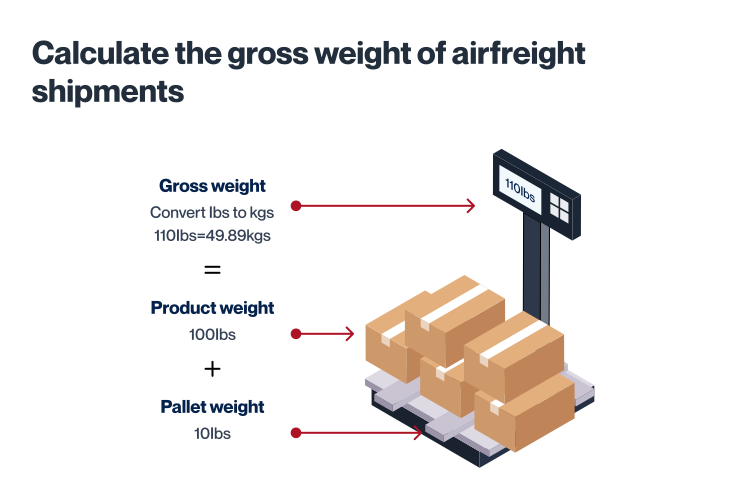
You should consider classic air cargo once you’re above 1 CBM or around 100 to 150 kg (220 to 330 lbs), especially for regular B2B flows. On this route, airport-to-airport shipping gives you more flexibility on rates and capacity, particularly for palletized air cargo, temperature-controlled air freight, or high-value cargo handling.

Before you request an air freight quotation process, you need exact dimensions, gross weight, Incoterm such as FOB or DAP, the departure airport in Vietnam, the cargo airport near Budapest, the ready date, and the product type. If you miss that, you risk unexpected handling and minimum charges. Many shippers also confuse airport-to-airport with door-to-door air freight service, and that’s where budget gaps appear.

Extracted Image

Should I choose Express Air Freight between Vietnam and Hungary?

You’ll find express air freight Vietnam to Hungary logical if your shipment stays under 1 CBM or below 100/150 kg, and you want a single provider managing pickup, flight, customs, and delivery. For e-commerce air freight solutions or a time-critical shipment Vietnam to Hungary, the simplicity is real. You get fewer coordination steps and faster booking.

The trade-off is control. With express, you accept re-measurement under their volumetric weight vs gross weight rules, automatic fuel and security surcharge air freight, and limited negotiation room. If you underestimate dimensions, you’ll face reweigh surcharges at destination. Express is good if you value speed and simplicity. It’s risky if your margins are tight or your packaging is not optimized.

Extracted Image

Main international airports in Vietnam

When you organize international air logistics Asia to Europe, your airport choice in Vietnam shapes your real transit time and cost.

  • Tan Son Nhat International Airport (SGN), Ho Chi Minh City. The main cargo hub in the south, ideal if your suppliers are in industrial zones around HCMC. You benefit from frequent long-haul connections, but you must watch peak season congestion and tight cut-off windows.
  • Noi Bai International Airport (HAN), Hanoi. The key gateway in northern Vietnam, close to electronics and manufacturing clusters. Strong connectivity to Europe, often used for consolidated cargo under a master AWB structure.
  • Da Nang International Airport (DAD). Relevant if your production sits in central Vietnam. Fewer long-haul options, so you often route via major hubs, which can add a handling step and affect total lead time.

Your choice impacts inland trucking, export customs for air shipment, and final routing toward Budapest. We always align airport selection with your supplier location and your delivery deadline.

Main international airports in Hungary

On the Hungary side, your entry point determines how smoothly you distribute across Central Europe.

  • Budapest Ferenc Liszt International Airport (BUD). This is the main cargo airport near Budapest and the primary gateway for the air cargo Vietnam Hungary route. You get established cargo terminals and direct road access to Austria, Slovakia, and Romania. Most air freight Vietnam to Hungary flows end here.
  • Debrecen International Airport (DEB). Used occasionally for regional distribution in eastern Hungary. Capacity is more limited, so you must confirm handling capability in advance to avoid unexpected transshipment delays.

If your final delivery is outside Budapest, we compare direct arrival in BUD with trucking alternatives from nearby EU hubs. That’s often where you optimize total cost and timing.

How long does air freight take between Vietnam and Hungary?

If you look at typical air transit time Vietnam to Hungary, you’ll usually see a range of 3 to 6 days for standard air freight, depending on routing and handling. Express services can reduce the total air shipping time Southeast Asia to Central Europe, but the real timeline depends on more than flight duration.

ServiceEstimated Transit Time
Standard air cargoApproximately 3 to 6 days
Express air freightOften faster, depending on pickup and delivery zones

What changes the clock? First, your supplier’s ability to meet the airline cut-off and complete cargo acceptance and screening. Second, the nature of the goods, especially dangerous goods by air (IATA DGR) or controlled products. Third, seasonal capacity between Vietnam and Budapest. If documents are incomplete, you risk customs hold at destination, which can erase the speed advantage of air freight.

How much does it cost to ship a parcel between Vietnam and Hungary with air freight?

If you’re checking air freight rates Vietnam Hungary, you won’t find a single flat price. Your cost depends first on chargeable weight calculation, then on dimensions, urgency, and airport pair. That’s why two shipments with the same kilos can generate very different quotes.

Cost DriverImpact on Your Rate
Chargeable weightHigher of gross or volumetric weight
Dimensions and densityLow-density cargo increases billed weight
Urgency and capacityPriority or peak season increases rates
Airport and pre-carriageInland trucking and airport handling charges apply

You also need to factor in fuel surcharge air cargo, security surcharge air freight, and destination handling. If you ignore packaging efficiency, you trigger unnecessary volumetric charges. We always start by validating dimensions and Incoterm before confirming any rate, so your budget reflects reality.

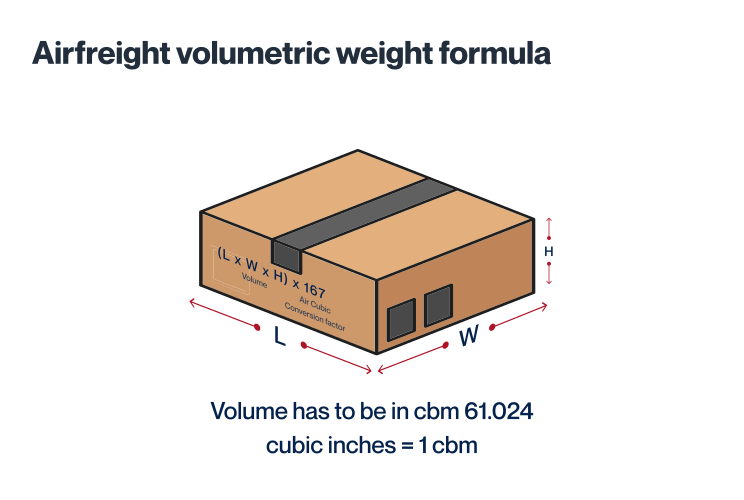
What is the difference between volumetric and gross weight?

When you ship by air, airlines charge you based on the higher of gross weight or volumetric weight. This rule sits at the heart of every chargeable weight calculation on the air cargo Vietnam Hungary route. If your cargo is light but bulky, you pay for the space it occupies, not just the kilos on the scale. That’s why understanding the IATA volumetric formula directly protects your margin.

  • Gross weight: the real weight measured on a scale, including packaging and pallets.
  • Volumetric weight: a theoretical weight based on dimensions.
  • Chargeable weight: the higher of gross or volumetric weight.

For standard air cargo, you multiply length × width × height in centimeters, then divide by 6000. For example, 120 × 80 × 60 cm equals 576,000 cm³. Divide by 6000 and you get 96 kg. For express services, you divide by 5000, which would give 115.2 kg for the same box.

Air cargo reference: 1 m³ = 167 kg.
Express reference: 1 m³ = 200 kg.

The common mistake is assuming your supplier’s weight is enough. If dimensions are wrong or packaging changes at the last minute, you face recalculated chargeable weight and a higher invoice. Always confirm final packed dimensions before booking.


Rail freight between Vietnam and Hungary


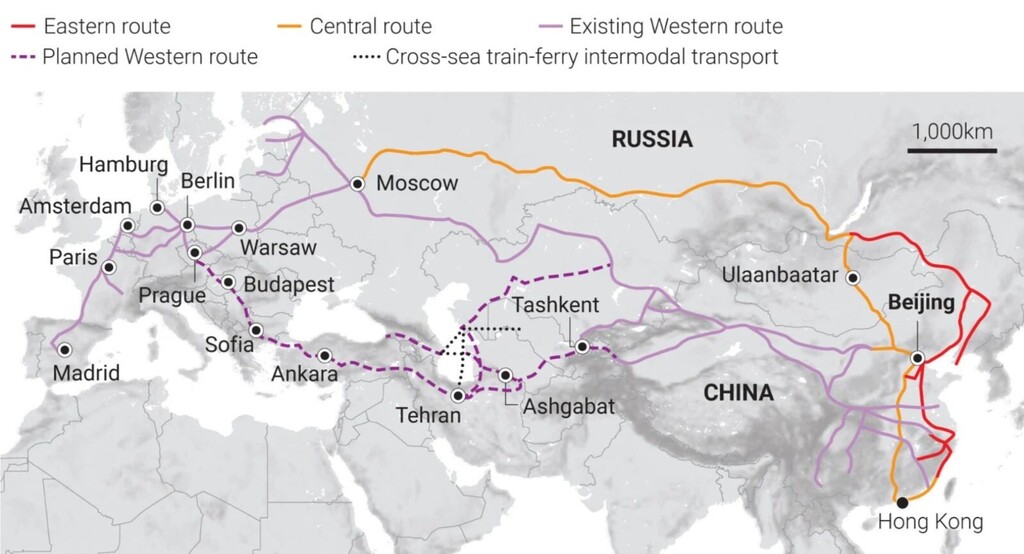
Choo-choo! Has your shipping solution been right on track this whole time? If not, let’s delve into the fascinating, and at times intricate, world of rail freight between Vietnam and Hungary. This economic pillar was first laid down in the early 2000s, interlinking not just these trading partners, but also opening paths through China, Russia, and Slovakia.


Your cargo, whether textiles from Hanoi or machinery from Budapest, joins a diverse mix of goods perpetuating this resourceful and bustling trade route. This collaboration has dappling effects on both economies, fostering a unique intertwining of mutual growth.


However, tread cautiously! Rail freight balances on the thin rail between cost and time. Its less pricey array comes with longer transit times than air freight and certain bottlenecks during custom clearances through multiple nations.


All aboard! But every method has its unique quirks. Scrutinize these details to ensure rail freight aligns with your specific shipping needs. Your journey to proficient international trade might just be a train ride away!


What are the main train stations between Vietnam and Hungary?


1. Yen Vien Station, Vietnam:


Yen Vien Station is a major railway freight terminal in Vietnam. It’s located near the capital city, Hanoi, making it a strategic hub for northern Vietnam. The station is connected to the Trans-Asian Railway network, offering extensive routes across Asia and beyond. For your business, its key trading partners include China, Laos, and Thailand. Yen Vien’s volume of freight cargo is substantial, efficiently handling thousands of tons of goods yearly, including electronics, textiles, and commodities, which reflect Vietnam’s export products. The station’s modern facilities favor multiple forms of cargo, allowing for smooth transfers to further destinations.


2. Saigon Station, Vietnam:


In the heart of Ho Chi Minh City, Saigon Station serves as a crucial junction point for rail freight transportation in southern Vietnam. With access to both seaports and the international rail network, it’s a vital conduit for goods en route to China, Thailand, and other Southeast Asian nations. Saigon’s strategic location aids swift distribution nationwide while providing your business with opportunities for flexible shipping strategies. Main exports from this station include mineral products, agricultural products, and machinery, highlighting the region’s diverse industrial base.


3. Budapest-Keleti Station, Hungary:


Budapest-Keleti is Hungary’s most prominent train station, with multiple rail lines leading to other European nations. Known for its impressive 19th-century architecture, this station is much more than aesthetically pleasing. Budapest-Keleti has impressive capacity, effortlessly managing vast volumes of freight. Key trading partners include Germany, Austria, Slovakia, and Romania. The strength of this station lies in its connections to the European rail network, making it a key node for distributing goods throughout the continent.


4. Záhony Station, Hungary:


Záhony station is nestled on the Hungarian-Ukrainian border, making it an essential connection point between Western and Eastern Europe. The station is well-equipped to handle large volumes of freight, especially given its proximity to numerous export-oriented industries. Key trading partners encompass Ukraine, Slovakia, Poland, and Russia. As it is a border-crossing station, Záhony has stringent customs controls, yet significantly contributes to the smooth transit of goods across borders. The station is particularly useful if your business trades with Eastern Europe or beyond.


When you consider these stations for your shipping strategy, remember to take into account your trading partners, cargo type, intended markets, and proximity. Capitalizing on these strategic rail hubs might just be the competitive advantage your business needs.


Extracted Image

How long does rail freight take between Vietnam and Hungary?


Shipping durations between Vietnam and Hungary via rail freight can fluctify depending on factors such as customs procedures, weather conditions, and freight congestion, but on average, it takes approximately 18-25 days.


Here you can find a list of rail networks connecting Asia and Europe, complete with estimated transit times and departure frequency. Remember, these are just estimates – actual transit can be unpredictable, due to varying factors.


  • Zhengzhou to Hamburg (Germany): ~ 15-17 days, Departs Daily

  • Zhengzhou to Munich (Germany): ~ 17-18 days, Departs Monday and Friday

  • Zhengzhou to Liege (Belgium)/Milan (Italy): ~ 20 days, Departs Monday, Thursday and Friday

  • Chongqing to Duisburg (Germany): ~ 16-17 days, Departs Monday/Friday

  • Yiwu to Hamburg (Germany): ~ 16-18 days, Departs Monday/Thursday/Friday

  • Yiwu to Duisburg (Germany): ~ 16-18 days, Departs Monday/Thursday/Friday

  • Yiwu to Madrid (Spain): ~ 20 days, Departs Monday/Thursday/Friday


  • Wuhan to Hamburg (Germany): ~ 17-19 days, Departs Saturday/Wednesday/Thursday

  • Wuhan to Duisburg (Germany): ~ 17-19 days, Departs Saturday/Wednesday/Thursday

  • Chengdu to Tilburg (Netherlands): ~ 18 days, Departs Wednesday/Sundayy

  • Suzhou to Hamburg (Germany): ~ 18-20 days, Departs Sunday

  • Suzhou to Duisburg (Germany): ~ 18-20 days, Departs Sunday

  • Xi’an to Duisburg (Germany): ~ 18-20 days, Departs Wednesday/Thursday/Friday/Saturday


What are the advantages of rail transport between Vietnam and Hungary


With your business caught between the massive sea freight timelines and the sky-high costs of air transport, rail freight can be your path to an ideal compromise. For instance, moving goods from Hanoi to Budapest via rail can shave off substantial time compared to shipping, whilst avoiding the hefty expenditure flying your freight incurs. The Trans-China Railway connects directly to Hungary, creating an efficient, uninterrupted corridor for your Vietnam produce. Imagine getting your fashion apparel or electronic components to the European market quicker than sea freight, and at a fraction of the cost of air cargo. The robust rail infrastructure in both Vietnam and Hungary supports timely and reliable delivery. Plus, with lower carbon emissions compared to air transport, your business can maintain a greener footprint. It’s a win-win for practicality and sustainability.


How much does shipping goods by train between Vietnam and Hungary cost?


Nailing down an exact cost for rail freight between Vietnam and Hungary – just like with air and sea – can be tricky. Why? Because pricing hinges on factors like shipment size, weight, and urgency, which vary for everyone. But here’s the good news: our team is committed to working side-by-side with you to secure the best rates for your unique dispatch. We dig into the nitty-gritty, crafting quotes that respect your budget and your needs. Sound fair? Remember, we don’t do boilerplate pricing – each quote is made-to-measure. Intrigued? Reach out today and we’ll whip up a free, no-obligation quote within 24 hours. It’s how we roll.


Door to door between Vietnam and Hungary


Navigating the vast international shipping landscape has never been easier with Door to Door shipping from Vietnam to Hungary. This hassle-free service, spanning the entire journey of your cargo, offers precise control and streamlined logistics, simplifying processes and saving valuable time. From bustling Hanoi markets to the historic squares of Budapest, let’s dive into why Door to Door shipping is your ace in the global trade game.


Overview – Door to Door


Exploring door-to-door shipping between Vietnam and Hungary? Say goodbye to stress! This coveted logistics solution handles the complex legwork at each stage – pickup in Vietnam, essential paperwork, customs clearance to final drop-off in Hungary. However, it might not be the cheapest option. Yet, it offers you unrivaled peace of mind, ensuring your products arrive safe and sound. Many businesses, just like FNM Vietnam clients, find it invaluable. Dive in to see why this might be the ideal solution for your shipping needs.


Why should I use a Door to Door service between Vietnam and Hungary?


Ever had a rough day and wished your freight could just sprout legs and walk itself from Vietnam to Hungary? Well, that’s not happening (yet), but Door to Door service is the next best thing. It’s your handy plug-and-play route that cuts out the headache from your cargo shipping process. Now let’s delve into why you might want to opt for this easy-peasy solution:


1. Stress Buster: Remember that courier who didn’t pick up your collectible action figure at the promised time? Forget all that with Door to Door services. They handle the end-to-end process – from picking up your cargo from the desired location in Vietnam to making sure it gets delivered at the right address in Hungary. All the hassles of transferring your cargo from one place to another? Gone!


2. Timely Delivery: Got an urgent shipment that just can’t wait? Door to Door services have got your back. They operate on pre-defined schedules agreed upon by both parties, ensuring your goods arrive not a minute later than the stipulated delivery time.


3. Good with the Goods: Whether it’s a Marvel superhero statue collection or complex machinery, Door to Door services provide specialized attention to your cargo. Every shipment is handled with care to minimize potential damage.


4. Truckin’ Good Time: The journey’s end doesn’t stop at the port. Your goods will be put on a truck and driven to their final destination, ensuring a seamless end-to-end experience for you.


5. Convenience like No Other: Door to Door services handle all the logistics, customs clearance, and administrative procedures, basically sorting out all those pesky details. Just click book now, sit back, and track your shipment real-time.


So basically, this is your personal logistics fairy godmother, waving away shipping woes and getting your goods safely from Vietnam to Hungary. Why wouldn’t you opt for it?


FNM Vietnam – Door to Door specialist between Vietnam and Hungary


Journey with ease as FNM Vietnam manages your door to door shipping between Vietnam and Hungary. Our dedicated Account Executive handles every detail, from packing to transport, customs to delivery across shipping methods, providing you with a stress-free experience. Not sure yet? Ask for a free estimate within 24 hours, or directly consult our skilled experts. Your perfect shipping solution is one call away – it’s smooth sailing with FNM Vietnam.


Customs clearance in Hungary for goods imported from Vietnam

When you handle customs clearance in Hungary for goods from Vietnam, you directly impact your total landed cost, your customs clearance timeline Vietnam to Hungary, and who legally acts as the Importer of Record. The way you structure your Incoterm, documents, and declarations determines whether your cargo is released smoothly or held at the border. We coordinate the entire process for you, from document check to release, with licensed partners and a customs broker in Hungary.

On this route, you will usually see issues around HS code classification, incorrect country of origin determination, or missing product documentation for EU compliance. The costly part is not the duty itself, it is the storage, demurrage, and re-declaration that follow mistakes. Below, you will see exactly how to calculate duties and how the import customs procedure Hungary actually works in real life.

How to calculate duties & taxes when importing from Vietnam to Hungary?

To understand how to calculate import duties Vietnam to Hungary, you need four inputs: the country of origin, the HS code classification, the customs value calculation method, and the applicable EU tariff. If one of these is wrong, your estimate will be wrong. Customs may reassess the value during import declaration filing, especially if something looks under-declared.

The first thing we always tell you is this, do not trust a “cheap” quote that ignores import VAT Hungary or assumes a generic duty rate. Your final assessment depends on your documents, your Incoterm, and whether you qualify for a preferential tariff. Let us break it down step by step so you can build a reliable budget.

Step 1 – Identify the Country of Origin

Your country of origin determination is not the same as the country you ship from. If your goods are manufactured in Vietnam, Vietnam is the origin, even if they transit through another hub. Confusing origin with shipping country is one of the fastest ways to trigger a customs challenge.

Origin directly affects your access to a preferential origin vs non-preferential origin regime under the EU framework, and whether you can benefit from reduced duties. To claim preference, you must provide a valid proof of origin document, often a certificate of origin Vietnam or supplier declaration aligned with EU requirements. If origin is unclear, customs can deny the preferential rate and reassess duties at the standard tariff.

Step 2 – Find the HS Code of your product

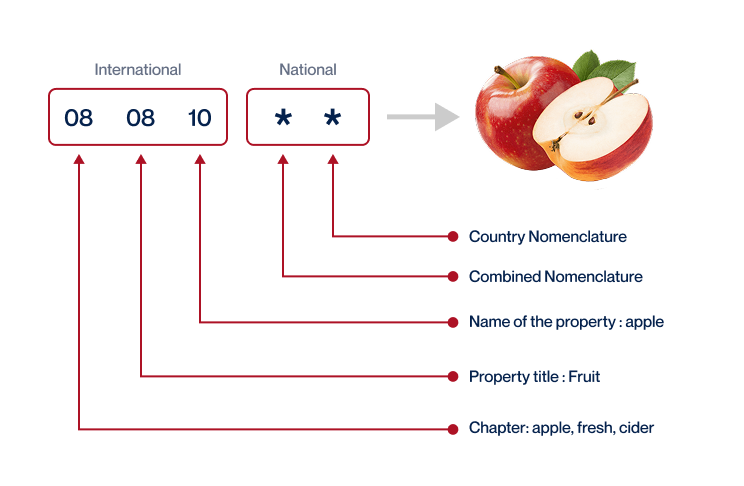
Your HS code classification drives everything, duty rate, import VAT base, potential anti-dumping measures, and even whether your product falls under restricted and prohibited goods Hungary. In the EU, classification goes beyond 6 digits and links to the TARIC database, so precision matters.

You can start with your supplier, but you should always validate through an official tariff classification search. Use the EU tool at TARIC – EU Customs Tariff, enter your product description, and compare technical specs, materials, and function. If your HS code is wrong, you risk a retroactive duty claim after a post-clearance audit, plus penalties.

Here’s an infographic showing you how to read an HS code.

Step 3 – Calculate the Customs Value

The EU applies defined customs valuation methods, and in most cases you will use the transaction value method. In practical terms, your customs value is usually based on the CIF value for customs purposes, meaning goods value plus freight and insurance up to the EU entry point.

Your incoterms impact on customs value more than you might expect. Under FOB, you must add main freight and insurance to reach CIF. Under CIF, those are already included. You must also consider assists, packing, commissions, and royalties if they are conditions of sale. For example, if your goods cost 20,000 USD under FOB and freight plus insurance total 2,000 USD, your customs value becomes 22,000 USD. This figure is the base used for duty calculation.

Step 4 – Figure out the applicable Import Tariff

An import tariff is the percentage of duty applied to your customs value under the EU Common Customs Tariff. Hungary applies the EU rate, not a separate national rate.

To check the correct rate, follow this simple process using the customs tariff lookup Hungary tool in TARIC. First, open the official database. Second, enter your full HS code. Third, select Vietnam as the origin country and review the duty measures displayed.

When you read the result, verify:
Third-country duty rate
Preferential rate eligibility
• Any anti-dumping duty
• Additional document requirements

If your customs value is 22,000 USD and the duty rate shown is 5%, your duty would be 1,100 USD. Duty = 22,000 × 5%. If you qualify for a preferential rate and it is lower, you apply that rate instead, provided your proof of origin is valid. If you are unsure how a measure applies to your product, this is where working with an experienced broker prevents classification mistakes.

Step 5 – Consider other Import Duties and Taxes

Beyond customs duty, you must account for import VAT Hungary, which is calculated on the customs value plus duty and certain additional costs. Hungary applies one of the highest standard VAT rates in the EU, so VAT often represents a larger cash outlay than the duty itself.

For example, if your customs value is 22,000 USD and duty is 1,100 USD, your VAT base becomes 23,100 USD. If the VAT rate is 27%, VAT would be calculated on that full base. This is why your cash flow planning matters, especially if you are not using a deferred VAT mechanism.

You must also check for other measures such as excise duty for alcohol or tobacco, product-specific controls, or temporary relief regimes like the temporary import procedure or inward processing regime. If you ignore these, you risk a blocked customs release.

Before shipment, you should:
• Confirm your EORI number registration
• Validate commercial invoice requirements
• Prepare a compliant packing list for customs
• Check product conformity documentation for the EU market

Step 6 – Calculate the Customs Duties

The core formulas are straightforward. Duty = customs value × duty rate. VAT = VAT base × VAT rate, where the VAT base usually equals customs value plus duty.

Using our earlier example, customs value 22,000 USD and duty rate 5% gives 1,100 USD duty. VAT base becomes 23,100 USD. If VAT is 27%, VAT is calculated on 23,100 USD. These two amounts together form the main taxes due at import.

In practice, you or your representative submit the import declaration filing through the single administrative document (SAD) system. Depending on your setup, you may use customs representation direct vs indirect. Duties and VAT must be secured or paid before the customs release procedure is finalized. If values or documents are questioned during the customs inspection process, you can face additional storage and amendments, so accuracy upfront saves both time and money.

Does FNM Vietnam charge customs fees?

When you appoint us or our partner as your customs broker in Hungary, you pay two separate categories of cost. The government collects the duties and taxes on imports from Vietnam, including duty and import VAT Hungary. We charge a professional service fee for handling documentation, coordination, and declaration.

You will always see official customs receipts for government charges. Our role is to ensure your commercial invoice requirements, classification, and valuation are correct so you avoid a post-clearance audit exposure later. Transparency is essential, especially on a Vietnam to Hungary route where documentation standards must align with EU rules.


Contact Details for Customs Authorities


Vietnam Customs

Vietnam Customs

Official name: General Department of Vietnam Customs Official website: https://www.customs.gov.vn/

Hungary Customs

Official name: National Tax and Customs Administration of Hungary Official website: https://en.nav.gov.hu/

Required documents for customs clearance in Hungary

When you import from Vietnam into Hungary, most delays do not come from the border itself. They come from documents that do not match each other. Your shipper, consignee, values, HS codes and Incoterms must be identical across every file. If one detail differs, you risk a customs hold for inconsistency, even if your cargo already landed in Budapest or another EU entry point.

The first thing we always tell you is this, treat your paperwork as one single file split into six parts. Hungarian customs, operating under EU customs rules, will cross check everything digitally. If your documents are aligned from the start, clearance is usually straightforward.

Bill of Lading or Air Waybill

The Bill of Lading for sea freight or Air Waybill for air freight is the transport contract issued by the carrier. Hungarian customs and your broker use it to confirm who shipped the goods, who receives them, and under which Incoterm.

Example: a shipment from Ho Chi Minh City to Budapest Airport under CIF must show the same consignee name as the Commercial Invoice. A common mistake is changing the consignee spelling at the last minute, which can trigger a manifest mismatch alert in the EU system.

Packing List

The Packing List details how your goods are physically packed, including number of cartons, net weight and gross weight. Your customs broker uses it to verify cargo inspection results and compare declared weight with the transport document.

Example: if you ship 10 pallets of furniture parts, the pallet count, total weight and volume in CBM must match the Bill of Lading. If you declare 9 pallets but 10 arrive at the terminal, you will likely face inspection and storage fees.

Commercial Invoice

The Commercial Invoice is the financial document that states the value of the goods sold between the Vietnamese exporter and the Hungarian importer. Customs in Hungary uses it to calculate customs duties and import VAT.

Example: if you sell electronic components under FOB Ho Chi Minh City, the invoice must clearly state unit price, total value, currency and the correct HS code. A frequent issue is using a vague product description like “parts”, which can lead to reclassification and higher duty assessment.

Certificate of Origin

The Certificate of Origin proves that your goods were manufactured in Vietnam. Under the EU Vietnam Free Trade Agreement, this document can allow you to benefit from reduced or zero customs duties in Hungary.

Example: if you export Vietnamese textiles that qualify under EVFTA rules of origin, presenting the correct origin proof can lower the applicable EU tariff. If the origin statement is incomplete or does not meet EVFTA requirements, you will pay the standard EU duty rate instead.

CE Conformity Documents

For many products entering Hungary, especially electronics, machinery or toys, you must demonstrate compliance with EU CE marking requirements. This is not just a label, you need a Declaration of Conformity and supporting technical file.

Example: if you import LED lighting from Vietnam, you must show conformity with relevant EU directives before the goods are released for free circulation. Shipping without proper CE documentation can result in goods being blocked at the border until compliance is proven.

EORI Number

Your EORI number, Economic Operator Registration and Identification, is your unique customs ID within the European Union. Without it, you cannot lodge an import declaration in Hungary.

Example: if you are a Hungarian company importing regularly from Vietnam, your broker will enter your EORI in the customs declaration system. Using the wrong entity’s EORI or forgetting to register before arrival can delay clearance and accumulate terminal storage costs.

Get Started with FNM Vietnam

Clearing customs between Vietnam and Hungary can seem daunting, but not with FNM Vietnam on your side. Our team navigates customs professionally, streamlining the process to save you time and stress. You focus on your business while we expedite customs clearance. No more customs hurdles. Get efficient, reliable logistics. Contact us for a free quote in less than 24 hours!

Prohibited and restricted items when importing into Hungary

When you import into Hungary, you operate under EU customs legislation. Restricted products are allowed but only if you meet specific conditions, licences or certifications. Prohibited products should not enter the EU at all and can be seized or destroyed.

The key is understanding the EU restricted goods framework before your cargo leaves Vietnam. If you ship first and verify later, you risk a seizure or forced re export, which is far more expensive than checking upfront.

Restricted products

  • Food and agricultural products – require health certificates and EU sanitary controls.
  • Animal and plant products – subject to phytosanitary or veterinary inspection.
  • Pharmaceuticals and medical devices – must comply with EU authorization and labelling rules.
  • Chemicals – may fall under REACH registration requirements.
  • Dual use goods – export control licence may be required.
  • Electronics with radio functions – need CE compliance and frequency approval.

Prohibited products

  • Counterfeit goods – intellectual property infringement leads to seizure.
  • Illicit drugs and narcotics – strictly banned under EU law.
  • Weapons without authorization – firearms and certain components prohibited.
  • Hazardous waste – import heavily restricted or banned.

If you are unsure about your product classification, you should confirm the correct HS code and check EU import conditions before shipping. We always recommend validating compliance while the goods are still in Vietnam, not once they reach a Hungarian terminal.

Trade agreements and preferential duties for imports from Vietnam to Hungary

When you import from Vietnam into Hungary, you benefit from the EU Vietnam Free Trade Agreement, in force since 2020. Because Hungary is part of the European Union, EVFTA rules apply automatically to your imports.

Under this agreement, a large share of customs duties on Vietnamese goods have been reduced or phased out over time. For many industrial products, tariffs are already at 0% if your goods meet the EVFTA rules of origin. If you do not provide valid origin proof, Hungarian customs will apply the standard EU Common External Tariff instead.

This is where you need to pay attention to the preferential tariff eligibility. Your supplier in Vietnam must issue the correct origin statement or Certificate of Origin in line with EVFTA requirements. If the wording or exporter registration is incorrect, you can lose the preference and face a retroactive duty claim after clearance.

You should also monitor whether your product category is subject to specific EU trade measures, such as anti dumping duties on certain steel or industrial items. These measures apply at EU level and directly affect imports into Hungary. Before confirming your purchase contract, you should check the applicable duty rate under EVFTA and compare it with the standard EU rate. That difference often determines your real landed cost.

Your Next Step with FNM Vietnam

Shipping between Vietnam and Hungary? Seize the advantage of expertise! At FNM Vietnam, we eliminate the headaches of customs clearance and logistics protocols. Say goodbye to shipping obstacles and hello to smooth sailing. Let your business thrive with our comprehensive, hassle-free shipping solutions. Don’t allow international freight to unsteady your course. Contact us today, we’ve got your every shipment covered.
More than shipping

Additional logistics services

1 Warehousing
1

Warehousing

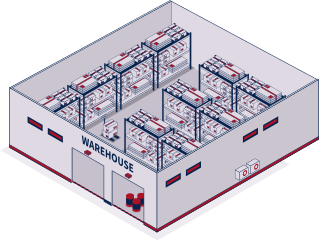
Finding the right warehousing solution can feel like a maze, especially when handling sensitive items that require strict temperature control. Don't let your exotic fruits from Vietnam wither or your Hungarian pharmaceuticals spoil! The right conditions keep your substantial investment safe. Get all the details about our tailor-made storage services: Warehousing.
img
2 Packing
2

Packing

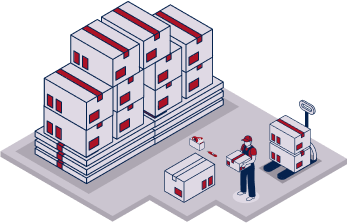
Shipping from Vietnam to Hungary? Proper packaging is vital. Imagine delicately crafted ceramics safety ensconced in robust, fit-for-purpose packaging. Or robust machinery parts securely contained for a long journey. Trustworthy agents ensure your goods weather transit in prime condition, no matter what they are. Get it wrong with a less careful provider, and you could face breakages or customs issues. Do it right, and it's smooth sailing - or flying, or driving! Intrigued? More info on our dedicated page: Freight packaging
img
3 Transport Insurance
3

Transport Insurance

Complexities are inherent in shipping; that's where Cargo Insurance steps in. Different from fire insurance, Cargo Insurance covers potential losses during transport. Did you know, even a minor container mishap can lead to unforeseen expenses? Just imagine a container full of high-value electronics tumbling overboard, disastrous right? That's why we stress prevention—it's your safety net. Realize peace of mind by safeguarding your precious cargo. More info on our dedicated page: Cargo Insurance
img
4 Household goods shipping
4

Household goods shipping

Relocating from Vietnam to Hungary? It's no small task, especially when dealing with bulky or fragile items. Take a deep breath, we're experts in handling and transporting personal effects professionally, with utmost care. Like that hand-carved Vietnamese vase? It's going to reach your new Hungarian abode intact.
More info on our dedicated page: Shipping Personal Belongings.
img
5 Procurement in Thailand
5

Procurement in Thailand

Struggling to source and manufacture goods in Asia or East Europe? FNM Vietnam eases this challenge by locating trusted suppliers and managing the entire procurement process. We ease the complication of language barriers, guiding businesses each step of the way. For example, moving Hungarian ceramic decors to Vietnam will no longer present a hassle. More info on our dedicated page: Sourcing services

img
6 Quality Control
6

Quality Control

Quality control is key when shipping goods from Vietnam to Hungary - you don't want to unwrap faulty goods after a long voyage. Take the case of a furniture manufacturer: without this service, defects or mismatches might only be noticed once the shipment arrives in Hungary. Quality inspections during production could save countless headaches later. Discover more on this critical step in our Quality Inspection page.

img
7 Conformité des produits aux normes
7

Conformité des produits aux normes

Ensuring your goods adhere to the regulations at their new home is critical. Our Product Compliance Services take this worry off your plate. We conduct meticulous lab tests, certifying each product stands up to every rule it needs to. You relax while we dot the i's and cross the t's. After all, shipping should be about excitement, not stress.
img