Multimodal transport: how to cut costs, speed up shipping, and lower your carbon footprint

  • admin 16 Min
  • Published on August 19, 2022 Updated on May 26, 2026
img

In short ⚡

Multimodal transport is a freight solution where a single shipment moves under one contract and one operator but uses two or more transport modes (such as road, rail, sea, and air), allowing unified routing, documentation, tracking, and liability while optimizing cost, transit time, and carbon footprint.

In this article, you will find practical definitions and comparisons of multimodal, intermodal, and single-mode shipping, the role of containers, cost–time–reliability trade-offs, system design steps, risk and sustainability workflows, and concrete multimodal route examples in Vietnam.

We hope you’ll find this article genuinely useful, but remember, if you ever feel lost at any step, whether it’s finding a supplier, validating quality, managing international shipping or customs,  FNM Vietnam can handle it all for you!

Free shipping quote 24h      I want to talk to a sourcing expert

What is multimodal transport and how does it work for your freight?What is multimodal transport and how does it work for your freight?
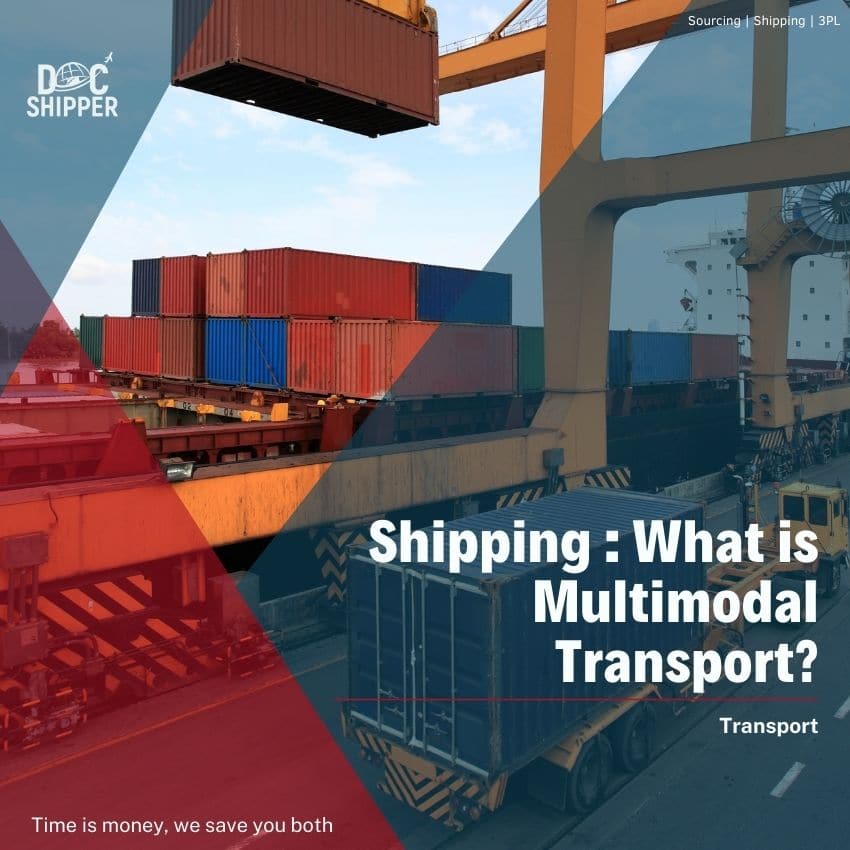
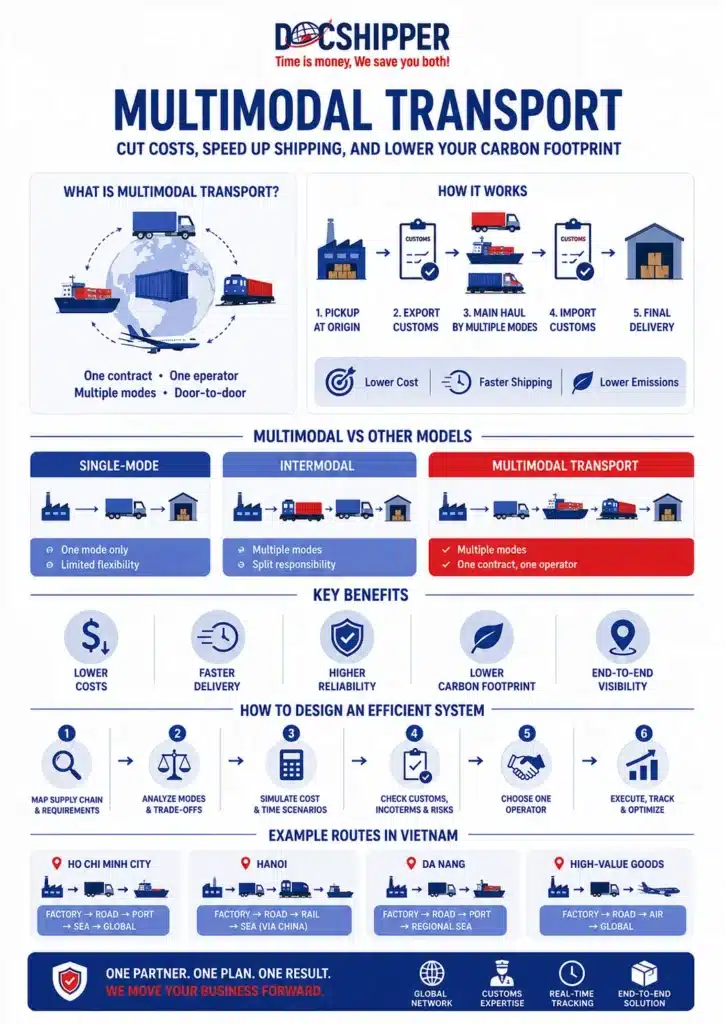
Multimodal transport is what you use when one shipment moves under a single transport plan but uses two or more modes, think trucking plus ocean freight, or rail freight plus last-mile delivery.

You’ll notice fast why it matters: instead of juggling separate carriers, separate bills, and scattered tracking, you coordinate your cargo as one continuous logistics flow, from pickup to final distribution.

At DocShipper, we see the same frustration again and again, you have inventory waiting in a supplier’s warehouse, freight rates change overnight, and one missing document blocks customs clearance.

Multimodal shipping helps because one transport operator orchestrates routing, dispatch, consolidation, and handovers, so your supply chain stays predictable even when the lane isn’t.

Mini real-world scenario: a buyer imports tooling from Asia with an EXW supplier, then realizes too late that export customs was not included.

With a properly set up multimodal transport chain, we handle export clearance, trucking to port, ocean freight, then inland delivery, and you avoid the classic “your cargo is ready but nobody can legally move it” moment.

Quick checklist before you book multimodal transport:

  • Confirm your Incoterms, who controls pickup, export, and import steps.
  • Validate your harmonized system code to anticipate duty, tariff, and required documents.
  • Decide if you need containerization, palletization, or special handling.
  • Set tracking expectations, milestone updates, exception alerts.
  • Align freight insurance coverage with cargo value and risk profile.

How it works in practice (workflow):

1) Collect shipment data, HS code, Incoterms, dimensions, weights, ready date.

2) Choose the mode mix, road, rail, sea, air, based on cost, transit time, and risk.

3) Book carriers, plan consolidation or cross-docking, lock equipment (container, truck, ULD).

4) Execute export leg with customs brokerage and documentation control.

5) Manage main haul, ocean freight or air freight, plus tracking and exception handling.

6) Handle import customs clearance, duty and tariff payment strategy, then delivery to fulfillment or distribution.

DocShipper Info

Simplify complex freight with one accountable partner.
DocShipper coordinates pickup, customs, main haul, and delivery under a single contract, so your cargo moves without gaps or blame shifting.

Clear definition of multimodal transport vs. intermodal and single-mode shipping

Multimodal transport means your freight moves with multiple modes but under one coordinated responsibility, typically with one main contract and one operator managing the end-to-end transportation.

Single-mode shipping is simpler on paper, one mode only, but it often forces you into longer routing or higher freight rates when the “best” mode isn’t available door-to-door.

Intermodal shipping is close, but here’s the thing, in intermodal, the operational responsibility and documents can be split between parties, and you feel it when something goes wrong at a handover point.

From experience, that’s exactly where disputes pop up, who pays demurrage, who fixes the missed rail cut-off, who handles a re-dispatch.

Mini story from the field: a shipper booked rail plus trucking with two separate contracts, and the trucker arrived after the rail terminal cut-off.

The rail operator charged storage, the trucker blamed traffic, and the buyer’s warehouse slot was missed, suddenly inventory management becomes crisis management.

Model Modes used Contracts / liability Best for Common pain point
Single-mode One only (e.g., ocean freight) One carrier Simple port-to-port moves Extra handling to cover first/last mile
Intermodal Two or more Often split between providers Rail + trucking corridors Handover accountability disputes
Multimodal transport Two or more Unified management by one operator Door-to-door global freight forwarding Needs strong planning and document discipline

When we say “unified management”, it’s not marketing language, it’s operational control over carrier selection, tendering, routing, tracking, customs clearance, and delivery scheduling.

And yes, authoritative frameworks like those referenced by the International Chamber of Commerce matter here, because your Incoterms define who owns which risk and cost in each leg.

DocShipper Alert

Avoid costly handover disputes and hidden liabilities.
Choose unified multimodal management to secure clear responsibility, fewer surprises, and smoother cross-border transitions.

How containers enable seamless multimodal freight across road, rail, sea, and air

If you want multimodal freight to actually run smoothly, containers do most of the heavy lifting, physically and operationally.

In container multimodal transport, you reduce cargo touches, fewer touches means fewer damages, fewer claims, and fewer surprises during cross-docking or terminal transfers.

Mini scenario: you ship fragile packaged goods with mixed SKUs and poor palletization, then your LCL consolidation gets restuffed twice.

By the time it reaches your fulfillment center, cartons are crushed, labels are unreadable, and reverse logistics starts eating your margin.

With containerization, you can plan load planning properly, protect inventory, and keep the same unit through trucking, rail freight, and ocean freight, and sometimes even air freight in specialized container units.

You also simplify documentation, because your seal and container number become a consistent control point across the multimodal transportation system.

  • Road: drayage and last-mile delivery from supplier, port, or rail ramp.
  • Rail: long inland legs with stable schedules on key corridors.
  • Sea: the backbone for international export and import flows.
  • Air: used tactically for urgent replenishment, samples, or high-value cargo.

Documentation still makes or breaks the move.

Depending on your setup, you’ll deal with a bill of lading, packing list, commercial invoice, and customs entries, and you’ll want your customs brokerage aligned with your routing plan.

DocShipper Advice

Reduce damages and claims with smarter load planning.
Optimize containerization and documentation to keep your cargo sealed, traceable, and protected across every transfer point.

Looking for a Reliable Shipping & Sourcing Partner?

We handle the entire sourcing process, supplier research, negotiation, production, and inspections, so you can focus on what matters most: growing your business.

Key advantages of multimodal shipping for global supply chainsKey advantages of multimodal shipping for global supply chains
Multimodal shipping is growing because your supply chain can’t afford rigid routing anymore, port congestion, capacity swings, and procurement volatility make single-lane planning risky.

When we design multimodal transport correctly, you get more options to protect service levels without inflating costs across your entire distribution network.

Mini scenario: your supplier finishes production early, but the next direct vessel is in 10 days and your customer has a fixed launch date.

We’ve seen teams save the project by switching to rail freight to a different port, then ocean freight, then tight last-mile delivery, all tracked as one multimodal shipment.

Checklist to capture the benefits (and actually realize them):

  • Build two routings, a “cost lane” and a “service lane”, before problems hit.
  • Pre-validate carrier selection with backup capacity for peak season.
  • Align cut-offs, warehouse receiving slots, and dispatch windows.
  • Use consolidation smartly, and avoid unnecessary restuffing events.
  • Review insurance, claims process, and exception management rules.

Implementation workflow (step-by-step):

1) Map origin to destination with at least two mode combinations.

2) Run a total landed cost model, freight, warehousing, duty, tariff, and delays.

3) Negotiate and tender the lanes, then lock service-level KPIs.

4) Set tracking milestones and escalation rules for disruptions.

5) Execute, measure, and re-optimize quarterly based on real lead times.
DocShipper Info

Build flexible lanes before disruption hits your schedule.
We design cost and service scenarios that protect launch dates, margins, and warehouse flow under one coordinated shipment.

Cost, time, and reliability gains when you combine multiple transport modes

The core win of multimodal shipping is that you stop paying premium prices for a single “door-to-door” mode that doesn’t exist in reality.

You blend trucking, rail, ocean freight, and air freight only where each makes financial and operational sense, that’s multimodal transport at its best.

Mini negotiation story: a buyer accepted an all-in quote that looked cheap, then got hit with terminal charges, storage, and “urgent” trucking at destination.

Once we broke the lane into transparent legs, the total cost dropped, and reliability improved because each handover had clear ownership and timing.

Objective Typical mode mix What you gain Trade-off to watch
Lowest cost Truck + rail + ocean Lower freight rates, scalable capacity More cut-offs, more planning discipline
Fast replenishment Truck + air (or sea-air) Shorter lead time, fewer stockouts Higher cost, tighter documentation
Stable delivery Truck + ocean + planned drayage Predictable distribution scheduling Port congestion risk

Reliability isn’t just transit time, it’s whether your cargo arrives when your warehouse can actually receive it.

That’s why multimodal freight planning must include warehousing contracts, receiving appointments, and sometimes cross-docking to protect your fulfillment rhythm.

DocShipper Advice

Turn mode mix into measurable performance gains.
Model each leg separately, control handovers, and align delivery slots to cut total landed cost without sacrificing reliability.

Safety, sustainability, and risk management benefits of container multimodal transport

Container multimodal transport doesn’t only optimize costs, it reduces damage exposure and improves control during transfers.

When your shipment stays sealed and traceable, multimodal transport becomes easier to insure, easier to audit, and easier to defend if a claim appears.

Mini risk scenario: a high-value spare parts shipment gets split across two trucking legs with no standard scanning, and one pallet “vanishes” between yards.

With a sealed container and structured tracking milestones, you shrink the grey zones where loss and theft typically happen.

  • Safety: fewer handling events, better load securing, less pilferage.
  • Risk management: clearer control points for inspections, claims, and freight insurance.
  • Sustainability: shifting long legs to rail or sea reduces emissions per ton-km.

If you’re under ESG pressure, you’ll appreciate that many shippers use multimodal shipping to lower emissions without gambling on service.

Organizations like the International Maritime Organization heavily influence decarbonization expectations in ocean freight, and that flows into how you design end-to-end lanes.

Practical risk-control workflow:

1) Choose container type and stuffing plan, photos, seal, and tally sheet.

2) Set tracking checkpoints, gate-in, departure, arrival, customs release, delivery.

3) Align inspection rules, pre-shipment checks, and destination damage protocol.

4) Pre-clear customs when possible, avoid storage and missed delivery windows.

5) Document exceptions fast, preserve evidence for claims and recovery.

Want to move beyond theory?

At DocShipper, we run your multimodal shipments end-to-end, from procurement coordination and supplier pickup to customs clearance, distribution, and final delivery, with one team accountable for the whole move.

DocShipper Info

Strengthen compliance and ESG performance with structured control.
Secure containers, milestone tracking, and pre-clearance reduce loss exposure while supporting lower-emission routing strategies.

DocShipper Platform

One platform. Your entire supply chain

Sourcing, freight, customs & documents — all centralised, all visible, 24/7.

How to design an efficient multimodal transportation system for your businessHow to design an efficient multimodal transportation system for your business
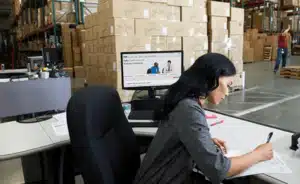
You cannot optimize multimodal transport by improvising mode combinations at the last minute. You need a structured design approach aligned with your cost, lead time, and risk objectives.

At DocShipper, we start with your commercial constraints and work backward to build the right routing architecture. You should follow the same disciplined workflow.

  • Step 1: Map your supply chain from supplier to final delivery point
  • Step 2: Define target transit time, budget ceiling, and service level
  • Step 3: Identify available modes per corridor, road, rail, sea, air
  • Step 4: Evaluate customs requirements and Incoterms impact
  • Step 5: Simulate cost scenarios and risk exposure
  • Step 6: Select a single transport operator to coordinate the full chain

You must compare combinations based on measurable KPIs, not assumptions. The table below helps you structure your decision.

CriteriaSea + RoadRail + RoadAir + Road
Cost levelLowMediumHigh
Transit timeSlowModerateFast
Carbon footprintLow per unitVery lowHigh
Best forBulk, non-urgentIndustrial cargoHigh-value goods

You also need to choose the right contract structure. A single multimodal transport operator gives you one liability regime and one point of contact.

This simplifies claims management and reduces operational friction. Without centralized coordination, you multiply interfaces and increase failure points.

Before launching, validate your system with this checklist.

  • Are Incoterms clearly defined in your supplier contract?
  • Is cargo insurance covering all modes involved?
  • Are transfer points secured and time-buffered?
  • Have you verified container compatibility across modes?
  • Is real-time tracking available end-to-end?

When we design multimodal systems for our clients, we integrate sourcing, consolidation, customs, and freight under one operational command. You gain visibility, predictability, and measurable cost control.

DocShipper Advice

Design your multimodal system with clear KPIs and one leader.
Centralize coordination to reduce interfaces, protect service levels, and keep liability under control from origin to destination.

Multimodal transport in Vietnam: routes, sectors, and practical examples

Vietnam has become a strategic hub for Asian supply chains. You can leverage multimodal transport here to balance cost efficiency and export speed.

The country combines deep-sea ports, cross-border rail to China, expanding highways, and international airports. This infrastructure allows flexible routing depending on your industry.

Main Hub Typical Multimodal Route Key Sectors
Ho Chi Minh City Factory → Road → Cat Lai Port → Sea → EU/US Furniture, textiles
Hanoi Factory → Road → Rail to China → Sea via Shenzhen Electronics, machinery
Da Nang Factory → Road → Port → Regional sea freight Agro-products

You can also combine rail and sea to reduce reliance on congested southern ports. This is particularly useful during peak export seasons.

For high-value electronics, you may choose road plus air from Noi Bai Airport. Transit time can drop by 40 to 60 percent compared to ocean freight.

  • Textiles shipped by sea plus truck to US distribution centers
  • Electronics moved by rail to China then exported by sea
  • Perishables transported by refrigerated truck plus air freight
  • Industrial equipment shipped via sea plus inland barge

At DocShipper, we coordinate supplier pickup, container loading supervision, export customs, and final international freight. You work with one team managing every leg.

DocShipper Info

Unlock Vietnam’s full logistics potential with coordinated routing.
We manage pickup, export customs, and international freight so your cargo flows smoothly from factory to global markets.

Conclusion

You now understand how multimodal transport can transform your logistics performance. The key is structured design and centralized coordination.

  • You reduce costs by combining complementary transport modes
  • You improve delivery speed through optimized routing
  • You lower carbon emissions by integrating rail or sea
  • You minimize risk with one multimodal transport operator
  • You gain end-to-end visibility across your global supply chain

If you want to implement a tailored multimodal strategy, we can design and operate it for you. At DocShipper, we manage sourcing, consolidation, customs, and global freight under one integrated command.

FAQ | Multimodal transport: how to cut costs, speed up shipping, and lower your carbon footprint

For transport to be considered genuinely multimodal, your shipment must move under one single contract and one main operator while using at least two different transport modes. Operationally, there is no “break of load”: the goods stay in the same cargo unit (typically a container) from pickup to delivery, and one transport document governs the whole journey, even if several carriers are involved behind the scenes.

Ask us anything!

Need Help with Logistics
or Sourcing in Vietnam ?

First, we secure the right products from the right suppliers at the right price by managing the sourcing process from start to finish. Then, we simplify your shipping experience - from pickup to final delivery - ensuring any product, anywhere, is delivered at highly competitive prices.

Component-15-2.png

Live Chat

Get instant assistance from our team—
just click and start chatting!

Live Chat Now
image

Fill the Form

Prefer email? Send us your inquiry, and we’ll get back to you as soon as possible.

Contact us
image
Component-15-2.png

Call us

Reach out to us on WhatsApp for quick, convenient, and personal support.

Call us
image
Component-15-2.png