
Freight Shipping between Vietnam and Romania | Rates – Transit times – Duties and Taxes

On the freight vietnam romania route, you are dealing with long ocean legs, European Union customs rules, and tight port cut-offs that can quickly impact your budget if you overlook one detail. You will move cargo from major hubs like Ho Chi Minh City or Hai Phong toward Romanian gateways such as Constanța Port, and every decision, from Incoterms to container type, shapes your final landed cost. Here’s the thing, you do not need generic theory, you need clarity on rates, realistic transit times, and how duties and taxes apply to your product. In this Destination Guide, we will cover transport options, shipping timelines, customs clearance in Romania, and the practical cost drivers you must factor in before you book.

Which are the different modes of transportation between Vietnam and Romania?

If you care about cost per cubic meter and you are shipping standard cargo, you will usually choose sea freight from Cat Lai Port or Hai Phong Port to Constanța Port, especially for full containers under FCL or shared loads in LCL. If you care about speed or you are moving high-value goods, you will look at air freight from Tan Son Nhat Airport to a major European hub before trucking into Romania.

You decide based on your cargo value, volume, and delivery deadline, because air reduces transit time but increases your cost per kilo, while sea lowers unit cost but extends lead time. If you are unsure, you can always check with us, since we track real-time capacity, seasonal peaks, and rate shifts, and we will help you choose the option that fits your constraints before you commit.

How can FNM Vietnam help?

Shipping goods from Vietnam to Romania, or vice versa, doesn’t need to be daunting. Our professional consultants at FNM Vietnam can walk you through every step, ensuring smooth, hassle-free transportation. Why not allow us to take the lead? Reach out now for a free estimate within 24 hours or dial us up for free advice. Your cargo’s journey, simplified!

Sea freight between Vietnam and Romania

If you are planning sea freight Vietnam to Romania, you usually choose it for one reason, cost efficiency at scale. When your cargo is above 2 to 3 CBM, or when you are moving a full container, container shipping Vietnam to Romania becomes far more economical than air freight. You trade speed for savings, but on this corridor the balance often makes sense, especially for regular imports into Constanta.

Here is the thing. ocean freight Vietnam Romania works best when you plan ahead. You should expect an ocean shipping lead time of around 30 to 50 days depending on the port pair and transshipment. If you wait until your stock is almost empty, sea freight will feel slow. If you build it into your supply chain calendar, it becomes predictable and cost effective.

Where do importers usually get surprised? First, with Incoterms like FOB Vietnam to Romania or CIF Romania from Vietnam that shift control without them realizing it. Second, with destination charges in Romania that were not included in the initial quote. And third, with missed cut-off dates at Vietnamese ports that push the cargo to the next vessel. If you understand these pressure points early, freight Vietnam Romania by sea becomes a stable, manageable solution rather than a source of stress.

Main ports to know in Vietnam and Romania

When you compare port-to-port shipping Vietnam Romania options, you should not look at a long list of ports. You should focus on the ones that actually handle international container flows and connect efficiently to inland transport. Your port choice directly affects trucking cost, rail access, and final delivery time.

In Vietnam, the main seaports in Vietnam for export are:

  • Ho Chi Minh City, Cat Lai, the country’s largest container gateway. If your supplier is in the south, this is usually the most reliable choice for FCL shipping Vietnam to Romania and LCL shipping Vietnam to Romania.
  • Hai Phong, ideal if your factory is near Hanoi or in northern industrial zones. It often feeds into major Asian hubs before connecting to Europe.
  • Da Nang, more regional, but relevant if your production is in central Vietnam and you want to avoid long domestic trucking.

In Romania, the main seaports in Romania for import are:

  • Constanta, the primary deep-sea gateway on the Black Sea. Almost all international sea logistics Vietnam Romania flows enter here before moving inland by truck, rail, or barge.
  • Galati and Braila, river ports connected to the Danube. They are useful if your cargo continues toward Central Europe by inland waterway.

The key decision is simple. If your final destination is in Romania, you will almost always route through Constanta. Choosing a smaller Romanian port without checking vessel frequency can expose you to unexpected transshipment delays. That is why we always align port selection with your inland delivery point, not just the sea leg.

Transit times: how long does it take to ship from Vietnam to Romania?

If you are checking the sea transit time Vietnam to Romania, you will usually see ranges rather than fixed numbers. There are no frequent direct sailings, so most containers move via a Mediterranean or Middle Eastern hub before reaching Constanta. Your actual sailing schedule Vietnam to Romania depends on carrier routing and transshipment time.

Port of loadingPort of dischargeEstimated transit time
Ho Chi Minh CityConstanta35 to 40 days
Hai PhongConstanta40 to 45 days
Da NangConstanta45 to 52 days
Quy NhonConstanta45 to 50 days

In practice, you should plan on 5 to 7 extra days beyond the announced transit time to cover feeder movements and port handling. Congestion at transshipment hubs and seasonal peaks before major holidays can stretch timelines. The most common mistake we see is assuming the vessel arrival date equals delivery date, while customs clearance and inland transport in Romania still need coordination. If you build buffer time into your schedule, you avoid storage and demurrage exposure at destination.


Should I choose FCL or LCL when shipping between Vietnam and Romania?


Whether shipping a full container load (FCL) or opting for consolidation (LCL) between Vietnam and Romania, your choice will pivotally influence your costs, delivery times, and overall shipping success.


By understanding the differences and trade-offs, you can strategize effectively, aligning your decision with your specific needs. Let’s plunge into the nitty-gritty, helping you become the captain of your maritime freight journey. Remember, the right knowledge steers you towards a well-informed choice and smooth sailing.


Full container load (FCL)

FCL, or Full Container Load, refers to fcl shipping where one single consignee books all space in a fcl container, be it a 20'ft container or a 40'ft container. This ensures that the containers are sealed from the point of origin to the destination, ensuring enhanced safety and journey integrity.
An ideal time to consider FCL is when the cargo is larger than 13/14/15 CBM. This is because FCL is generally cheaper for transporting high-volume cargo, saving you on per-unit shipment costs.
For instance, if your business is exporting large quantities of shoes from Ho Chi Minh City to Bucharest, using an FCL method can significantly reduce logistics costs, given shoes' volume.
Cost implications tend to tilt in favor of FCL when dealing with large volumes. It's because the per unit shipping cost is typically cheaper than LCL. For an accurate fcl shipping quote, it's important to consider the cargo's volume, destination, and other logistics factors. Comparing quotes from different freight forwarders can provide a more comprehensive view of pricing and ultimately help you find the most value for your money.

Less container load (LCL)

Definition: LCL (Less than Container Load) shipping refers to a method of freight transportation where cargo from multiple shippers is consolidated into a single container. This method is commonly used for small shipments that don't require the full space of a standard container.
When to Use: LCL shipment is ideal if your cargo is less than 15 cubic meters (CBM). Since you're sharing space in the container with other shipments, it allows for more flexibility and is often cheaper for smaller volumes.
Example: Let's say you're a business in Vietnam shipping a few pallets of goods, with total volume less than 14CBM, to Romania. Instead of paying for a full container, you can opt for LCL freight, combine your shipment with others, and only pay for the space your goods occupy.
Cost Implications: While LCL can be cost-efficient for low volume freight, it's important to understand that shipping rates can fluctuate based on factors like cargo volume, season, and the freight forwarder's LCL consolidation schedule. You should request an LCL shipping quote to understand the specific costs for your shipment. Note - additional charges like customs clearance or handling fees may also apply.

Hassle-free shipping

Struggling to choose between consolidation and a full container for your shipments from Vietnam to Romania? Look no further than FNM Vietnam. As a dedicated freight forwarder, our mission is to remove the headaches of cargo shipping. Our ocean freight experts are here to guide you, factoring in shipment size, time constraints, and budget. Make the smart choice for your business. Reach out today for a free estimate!

Shipping rates: how much does a sea freight shipment cost from Vietnam to Romania?

If you are researching freight rates Vietnam Romania or the cost per container Vietnam to Romania, you will see strong fluctuations depending on the season and global capacity. The figures below are planning ranges for port-to-port shipping Vietnam Romania, not final invoices.

ModeDetailsEstimated range (USD)
LCLFreight rate per cubic meter, 1 to 5 CBM80 to 150 USD per CBM
20ft FCLFull container load service2,000 to 3,500 USD
40ft FCLFull container load service3,000 to 5,000 USD

So how much should you budget? For LCL shipping Vietnam to Romania, you calculate based on volume, usually per CBM. For FCL shipping Vietnam to Romania, you pay per container regardless of whether it is fully loaded. Keep in mind that ocean freight is only one part of your freight cost breakdown sea shipment. Origin trucking, export documentation Vietnam, terminal handling, and import clearance in Romania all add up. That is why we always recommend requesting a detailed sea freight quote Vietnam to Romania instead of comparing ocean rates alone.

How to estimate your sea freight cost before requesting a quote

If you want to understand how to estimate sea freight cost Vietnam Romania, you need four elements ready. Your total CBM, your gross weight, the agreed Incoterm such as EXW Vietnam export or FOB Vietnam to Romania, and the exact loading and delivery addresses. Without this, any price you receive is just a rough guess.

For example, if you ship 8 CBM at 2,000 kg under LCL, you are charged on volume because sea freight uses the higher of weight or volume converted ratio. If the rate is 100 USD per CBM, your base ocean freight is about 800 USD, before origin and destination charges. If you choose DAP Romania delivery or DDP Romania shipping option, you must also factor inland trucking, customs clearance, and possible duties. Cheap looking offers often exclude destination fees, which later turn into surprise local charges. We can provide you with a detailed, route specific quote in less than 24 hours so you see the full landed cost upfront.

Surcharges and hidden cost drivers to watch for

The first shock usually comes from destination charges in Constanta. These include terminal handling charges, documentation fees, and local agent service costs. They are not always visible in the initial ocean freight number.

Then you have time related costs. If you do not pick up your container within the free time, demurrage and detention start accumulating daily. A delay in import documentation Romania or a missing bill of lading B/L, especially if you are waiting for a telex release, can quickly create avoidable storage fees.

Finally, you should understand variable ocean freight surcharges such as bunker adjustment factor and currency adjustment factor. These move with fuel prices and exchange rates. You cannot control them, but you can plan for them by validating validity periods and payment terms before confirming your booking.

Step-by-step: how a sea freight shipment usually works on this route

When you look at the sea freight process Vietnam to Romania, you should see it as a chain of small, coordinated actions. Each step is simple on its own, but timing matters. Most delays happen not at sea, but at documentation and handover points between parties.

  1. We confirm your booking details, volume, weight, and agreed Incoterm.
  2. We arrange trucking from your supplier under EXW Vietnam export or coordinate loading under FOB Vietnam to Romania.
  3. Your cargo is delivered to the terminal before the vessel cut-off.
  4. We handle export customs and issue the bill of lading B/L.
  5. The container sails, usually via transshipment, toward Constanta.
  6. Before arrival, we prepare import documentation Romania and coordinate clearance.
  7. After customs release, we arrange door-to-port service or door-to-door sea freight delivery to your final address.

If you stay proactive at each stage and validate documents early, you reduce the risk of costly last minute corrections and keep your supply chain predictable.

Special sea freight solutions

Standard containers are not your only option. Depending on your cargo type, you may need tailored solutions for container shipping Vietnam to Romania.

Out of Gauge and project cargo

If your machinery exceeds standard container dimensions, you can use out of gauge cargo by sea on flat rack or open top containers. This is common for industrial equipment and construction components.

Breakbulk and bulk cargo

If your goods cannot be containerized, breakbulk or bulk vessels can be arranged. This applies to heavy structures or raw materials shipped in large volumes.

Reefer container shipping

If you transport food or pharmaceuticals, reefer container shipping keeps temperature controlled throughout the voyage. You must validate power supply and monitoring procedures to avoid temperature deviations during transshipment.

Whether you need less than container load consolidation, a full container load service, or a specialized setup, we align the equipment with your cargo profile and delivery deadline. That way, your international sea logistics Vietnam Romania flow remains cost efficient and operationally secure.

Air freight between Vietnam and Romania

If you are considering air freight Vietnam to Romania, you are usually chasing one of three things: speed, stock continuity, or protection for high-value goods. On this corridor, air works well for electronics, textiles, spare parts, and urgent replenishment. But you need to see it for what it is, a fast but strict system built around IATA cargo standards, airport cut-offs, and handling windows.

You have probably heard that air shipping always takes 3 days, that it is always too expensive, or that you only pay based on real weight. None of that is reliably true. What really drives your result is your chargeable weight calculation, how early your supplier is ready before the cut-off, and whether your documents are clean for export and import clearance. Most costly mistakes on this route come from underestimated dimensions, weak packaging that fails screening, or confusion between airport-to-airport shipping and door-to-door air freight.

Air cargo vs express: how should you ship on this route?

When you compare air cargo Vietnam Romania with express air shipping Vietnam to Romania, you are really choosing between control and simplicity. The first thing we always tell you is this, the express courier vs air cargo difference is not just about speed, it is about how much visibility and flexibility you want over costs, documents, and delivery terms.

Standard air cargo, sometimes structured as consolidated air freight or a dedicated booking, runs under a master AWB and house AWB. Express services run under the courier’s own network and billing logic. If you understand your volume, your timeline, and your Incoterm, the choice becomes much clearer.

Should you choose air cargo from Vietnam to Romania?

You should look at a standard air cargo service once your shipment goes above 1 CBM or around 100/150 kg. At that level, a structured air freight consolidation service or even a palletized booking often makes more financial sense than express. This is especially true if you ship B2B, on a regular basis, or if you need tailored handling like temperature controlled air cargo or oversized cargo by air.

Before we book your freight Vietnam Romania by air, you need to have six things ready: exact dimensions, total gross weight, agreed Incoterm, chosen airport, realistic ready date, and clear cargo description. If you miss one of these, you risk last-minute rebooking or revised pricing because of incorrect chargeable weight.

The most common confusion comes from mixing up airport-to-airport shipping with door-to-door air freight. Airport rates do not include trucking, customs, or airport handling charges. You also need to respect cargo cut-off times and screening slots, otherwise your goods simply miss the flight and your air shipping lead time doubles.

Extracted Image

Should you choose express air freight from Vietnam to Romania?

Express makes sense if you ship under 1 CBM, below roughly 100/150 kg, or if you have an urgent shipment Vietnam to Romania with no internal logistics team. You get one integrated service, customs included, one invoice, and minimal coordination. For samples, spare parts, or small e-commerce batches, this can be the simplest path.

But here is the trade-off. You gain simplicity, you lose part of the cost control. Couriers apply their own volumetric weight vs gross weight logic, reweigh and remeasure at hub level, and add surcharges if dimensions were wrong. If you underestimate your carton size, you face a post-shipment surcharge that you cannot really negotiate.

Express is a good option if your shipment is small, well packed, and correctly declared. It becomes risky if your packaging is weak, your goods fall under restricted items air freight or dangerous goods by air, or if you assume everything is included without checking destination duties. That is where costs escalate fast.

Extracted Image

Main airports to know in Vietnam and Romania

When you plan freight Vietnam Romania by air, your airport choice directly affects inland trucking cost, available capacity, and actual transit reliability. On this corridor, you mainly work through the main international airports in Vietnam and the key gateways in Romania.

  • Tan Son Nhat International Airport (SGN), Ho Chi Minh City. The primary southern hub, strong frequency for international cargo, close to major industrial zones. If your supplier is in the south, this usually keeps pre-carriage simple and predictable.
  • Noi Bai International Airport (HAN), Hanoi. The main northern gateway, ideal if your production is around Hanoi or Bac Ninh. You often get better alignment with northern factories and fewer domestic transfers.

If you choose an airport far from your factory or final warehouse, you increase domestic trucking and risk avoidable delays before or after the flight. The right pairing is often more important than saving a few cents per kilo.

Transit times: how long does air freight take from Vietnam to Romania?

If you look at typical air transit time Vietnam to Romania, you usually see ranges between 3 to 7 days door-to-door, depending on routing and service level. Airport-to-airport can be shorter, but your real air shipping lead time always includes handling and customs on both ends.

Service typeEstimated transit time
Standard air cargo (consolidated)Approx. 4 to 7 days
Express courierApprox. 3 to 5 days

These are indicative ranges, not guarantees. Your final timing depends on three main drivers. First, pre-flight handling and cargo screening procedures at the Vietnam airport. Second, space availability and seasonal congestion. Third, the speed of export customs clearance Vietnam airport and import customs clearance Romania airport. If your documents are incomplete, you risk a customs hold that wipes out any time advantage you expected from air.

Shipping rates: how much does air freight cost from Vietnam to Romania?

When you request an air cargo quote Vietnam to Romania, you should expect indicative market ranges often starting around $5 to $10 per kg for standard cargo, but this is only a reference. Your real air freight rates Vietnam Romania depend on your shipment profile and timing.

Cost componentWhat influences it
Freight rate per kgChargeable weight, capacity, season
Fuel surcharge air freightAirline fuel index and route
Security surcharge air cargoScreening level and compliance
Airport handling chargesOrigin and destination terminal fees

The first cost driver is always your chargeable weight. If your cargo is bulky but light, you pay for volume, not just kilos. The second driver is packaging and palletization. The third is urgency and available capacity. The fourth is airport choice and local trucking. If your dimensions are wrong, you face a rate adjustment after remeasurement, which is one of the most common surprises in air freight cost per kilogram calculations.


How much does it cost to ship a parcel between Vietnam and Romania with air freight?


Though a broad estimate for shipping goods via air freight from Vietnam to Romania ranges from $5-$10 per kg, prices vary widely. They are determined by multiple factors, like the distance from departure and arrival airport, dimensions, weight, and the nature of the goods.


Rest assured, our team works tirelessly to provide the most competitive rates, tailored to your specific needs. Remember, there’s no one-size-fits-all in freight forwarding—quotes are personalized. Contact us now to receive a free quote in less than 24 hours. Carve your path to successful shipping with us.


What is the difference between volumetric and gross weight?

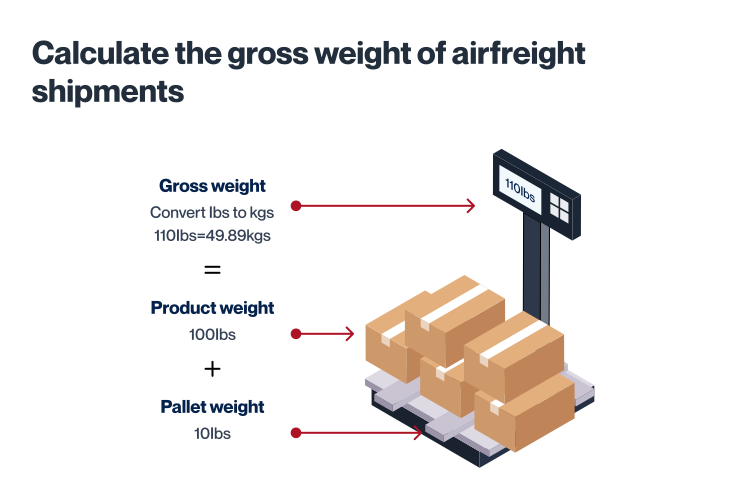
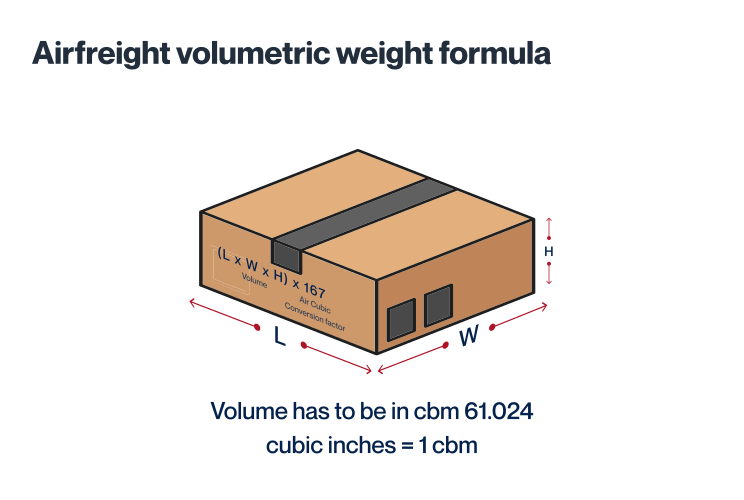
When you ship by air, airlines charge you based on the higher of gross weight or volumetric weight. This is the foundation of any correct chargeable weight calculation. If you ignore it, your quote and your final invoice will not match.

  • Gross weight: the real weight of your cargo, measured on a scale.
  • Volumetric weight: the weight calculated from the space your cargo occupies.
  • Chargeable weight: the higher value between gross and volumetric weight.

To calculate volumetric weight in air cargo, you multiply length × width × height in centimeters and divide by 6000. For example, 100 × 100 × 100 cm ÷ 6000 = 166.67 kg. In express services, you usually divide by 5000, which gives 200 kg for the same carton.

As a rule of thumb, Air cargo: 1 m³ = 167 kg, divisor 6000.
Express: 1 m³ = 200 kg, divisor 5000.

The most common mistake is underestimating carton size or ignoring pallet height. That leads to a higher final invoice after remeasurement. If you want predictable air freight cost per kilogram, you need exact dimensions before booking and a properly issued air waybill AWB.


Door to door between Vietnam and Romania


Navigating international shipping can be complex, but ‘Door to Door’ service provides a seamless and hassle-free solution. Especially when shipping between Vietnam and Romania, it encompasses every step of the journey, from pick-up to delivery. This offers significant time-efficiency, superior control, and reduced logistics hassle. So, ready to discover how ‘door to door’ makes complex shipping simple? Let’s dive in!


Overview – Door to Door


Stressed by the complexities of shipping from Vietnam to Romania? Door-to-door service might be your relief! As FNM Vietnam’s top pick, this logistics solution streamlines the process, removing burdening twists and turns.


Its benefits aren’t without challenges, such as costs and potential delays. Yet, it offers a comprehensive service that manages the shipping process end-to-end. Tailored to your needs, it’s a go-to option for stress-free shipping, regardless of those challenges.


Find in this guide the handy insights you need for a smooth shipping experience.


Why should I use a Door to Door service between Vietnam and Romania?


Looking to teleport your goods from Vietnam to Romania without mastering the art of apparition? A Door to Door service might just be your magic wand. Here’s why:


1. Reduced Stress: With Door to Door service, you can kick back and relax while the magic of freight forwarding happens behind the scenes. No need to worry about the pickup of goods, customs clearance, or even delivery—we’ve got it all covered.


2. Ensured Timeliness for Urgent Shipments: Is your cargo on a tight schedule? No problem! Door to Door services are designed to deliver on time, every time. Urgent shipments are handled swiftly, ensuring your cargo arrives when it needs to.


3. Specialized Care for Complex Cargo: If your shipment is more complicated than a 3D puzzle, fret not. Whether it’s fragile pieces or oversized machinery, Door to Door services shine in providing the specialized care that complex loads demand.


4. Convenience Galore: Imagine not having to worry about the intricate details of trucking. Door to Door services take convenience up a notch by handling every component of the trucking process until the final destination.


5. Cost-Effective: Surprise! Door to Door services often bundle multiple logistics services together, leading to cost savings. Think of it as a logistics bundle deal. So your money stays right where it should be—in your pocket.


So there you have it, five rock-solid reasons why Door to Door service is a smart choice for your Vietnam to Romania shipment. And remember, while logistics can seem trickier than a wizard’s spellbook, an adept freight forwarder can make it as smooth as a magic carpet ride.


FNM Vietnam – Door to Door specialist between Vietnam and Romania


Experience a hassle-free door-to-door shipping service from Vietnam to Romania with FNM Vietnam. Our dedicated team manages every step, so all you have to do is relax.


We handle the packaging, transport, customs, and utilize every shipping method. Benefit from the expertise of a dedicated Account Executive who is as invested in your goods reaching safely as you are.


Reach out to us for a no-obligation free estimate delivered within 24 hours, or dial our consultants for complimentary advice. Ship with us, ship with ease.


Customs clearance in Romania for goods imported from Vietnam

When you handle customs clearance Romania for goods from Vietnam, you are deciding your total landed cost, your release timing, and who carries legal responsibility as Importer of Record. The way you structure your import customs Romania from Vietnam file directly affects cash flow and delivery commitments. We coordinate the full customs process Vietnam to Romania for you, from documentation to release.

On this route, you will usually see delays caused by wrong HS code classification, incomplete commercial invoice requirements, or missing certificate of origin Vietnam when you claim preferential treatment. You can also face a costly customs inspection if your documents do not align. If you want to avoid surprises, the next sections show you exactly how to calculate and control your exposure.

How to calculate duties & taxes when importing from Vietnam to Romania?

If you want to understand how to calculate import duties Romania, you need three core inputs, your HS code, your country of origin rules, and your customs value. Without these, any quote is just a guess. The final amount assessed by Romanian customs can differ from your estimate if your declared value, freight split, or origin proof does not match their review. This is why a very low freight quote often hides a future duty correction or reclassification risk.

Think of this chapter as your import cost blueprint for customs duties Vietnam to Romania. Once you understand the logic, you can challenge assumptions, validate your supplier’s data, and avoid underestimating import VAT Romania.

Step 1 – Identify the Country of Origin

Your first checkpoint is the real country of origin rules, not the shipping country. If your goods are manufactured in Vietnam, you may qualify for preferential origin treatment under EU arrangements, but only if you can prove it with a valid certificate of origin Vietnam or approved origin statement.

You should never confuse origin with the port of loading. Customs in Romania will assess duty based on where the product was substantially transformed. If your origin proof is weak or inconsistent, you risk losing the preferential rate and facing a retroactive duty claim. This is one of the most common compliance issues in customs compliance Vietnam Romania trade.

Step 2 – Find the HS Code of your product

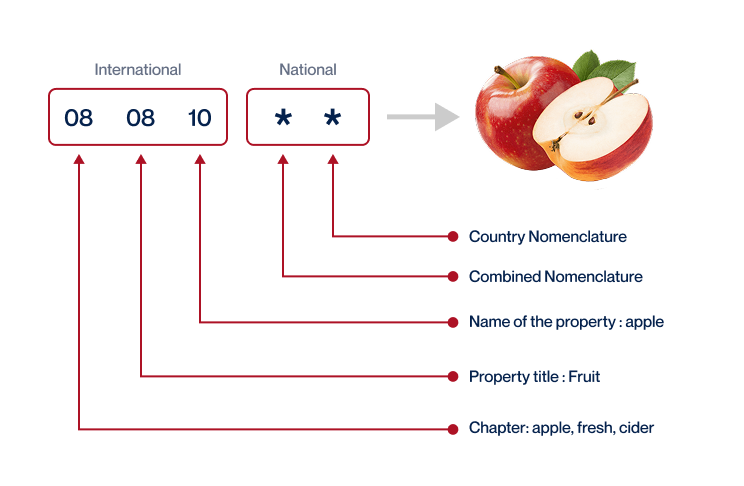
Your HS code classification determines your duty rate, potential restrictions, and whether additional controls apply. A difference of one digit can change your tariff outcome, licensing requirements, or trigger extra measures. That is why you should treat classification as a legal decision, not a guess.

You can start with your supplier’s code, then validate it using the EU tariff database through TARIC consultation. Use technical product descriptions, materials, and function to justify your choice. If customs disagrees, you may face a reclassification after inspection, which often means additional duty and delay. Here’s an infographic showing you how to read an HS code.

Step 3 – Calculate the Customs Value

Romania, as part of the EU, applies standard customs valuation methods, and in most cases you will use the transaction value method. In practice, this means starting from the price actually paid, then adjusting to reach the CIF value for customs if required.

You must include relevant freight and insurance in customs value depending on your Incoterm. If you buy under FOB, you will usually add main freight and insurance to reach a CIF basis. If you buy under CIF, much of that is already included. You also need to consider assists, specific commissions, packing, or royalties when applicable.

For example, if your goods cost 10,000 USD, freight is 1,500 USD, and insurance is 200 USD, your customs value becomes 11,700 USD under a CIF approach. If you omit part of these costs, you expose yourself to a valuation adjustment during review.

Step 4 – Figure out the applicable Import Tariff

An import tariff is the customs duty rate applied to your product when it enters Romania under the EU Common Customs Tariff.

You can follow a simple method. First, open the official EU TARIC tool. Second, enter your validated HS code and select Vietnam as the origin. Third, read the duty rate and any additional measures linked to your code.

When you check the result, look for:
Preferential rate if origin conditions are met
Additional measures such as anti-dumping
Import license requirements Romania
Restricted and prohibited goods Romania

If your CIF customs value is 20,000 USD and the tariff rate shown is 5%, your base customs duty would be 1,000 USD. You then use this figure to calculate VAT. On this route, textiles, footwear, and certain industrial inputs often require closer review. If you are unsure how to interpret a measure, a licensed customs broker Romania can validate it before you ship.

Step 5 – Consider other Import Duties and Taxes

After customs duty, you calculate import VAT Romania. VAT is generally applied to the customs value plus duty and certain additional charges. If your customs value is 20,000 USD and duty is 1,000 USD, VAT is calculated on 21,000 USD, not just the goods value.

Beyond VAT, you may face excise duties for alcohol, tobacco, or energy products, or specific trade defense measures. If your product is under investigation or subject to anti-dumping, you can see a significant duty increase overnight. This is where regular tariff monitoring becomes part of your compliance routine.

Before shipping, you should:
Confirm your EORI registration Romania
Prepare a complete customs documentation checklist Vietnam to Romania
Verify supporting documents for customs clearance
Check if a temporary import procedure or other regime applies

Step 6 – Calculate the Customs Duties

The core formulas are simple. Duty = customs value × duty rate. VAT = tax base × VAT rate, where the tax base usually includes customs value plus duty.

If your customs value is 30,000 USD and the duty rate is 4%, your customs duty equals 1,200 USD. If VAT applies on 31,200 USD, you multiply that amount by the applicable VAT rate to find the final tax due. Add any specific additional duties if your product is concerned.

In practice, you as the Importer of Record are responsible for payment, either directly or through your customs broker Romania. Duties are usually settled before or at release. If payment is delayed, you risk storage and demurrage charges. This is also the stage where duty deferment options, bonded regimes, or a bonded warehouse Romania strategy can improve your cash flow.

Does FNM Vietnam charge customs fees?

When we act as your operational partner, we coordinate with a licensed customs broker Romania and manage your import declaration Romania process. The official customs duties and taxes are paid to the Romanian authorities, not to us. Our service fee covers document preparation, compliance checks, and follow-up during the customs release procedure Romania.

You receive full visibility on supporting documents for customs clearance, including your packing list for customs and commercial invoice validation. If customs initiates a customs inspection process or later a post-clearance audit, we help you structure your file correctly so you stay compliant and avoid unnecessary penalties.


Contact Details for Customs Authorities


Vietnam Customs

Vietnam customs

Official name: General Department of Vietnam Customs

Official website: https://www.customs.gov.vn/

Romania Customs

Official name: National Agency for Fiscal Administration (ANAF)

Official website: www.anaf.ro/

Required documents for customs clearance in Romania

When you import from Vietnam into Romania, customs clearance usually goes smoothly if your documents tell the exact same story. The shipper, consignee, values, weights, and product descriptions must match across every file. Most delays are not caused by “the border” but by document inconsistencies or missing proof. The first thing we always tell you is simple, align everything before the vessel reaches Constanța Port or the cargo lands in Bucharest, and you avoid 80 percent of problems.

Bill of Lading or Air Waybill

The Bill of Lading for sea freight or the Air Waybill for air freight is the transport contract issued by your carrier. Customs and your broker use it to confirm the shipper, consignee, routing, and freight terms such as FOB or CIF. Example, if your container sails from Ho Chi Minh City to Constanța, the B/L must show the same Romanian importer as your invoice. A common mistake is changing the consignee name at the last minute, which triggers a customs hold for verification.

Packing List

The Packing List details what is physically inside your shipment, carton by carton or pallet by pallet. Romanian customs officers check it against your Commercial Invoice to confirm quantities, weights, and packaging type before releasing goods into free circulation. Example, if you ship 1,200 wooden chairs under one HS code, the packing list must clearly show total units, net weight, and gross weight. If your weights differ from the manifest, you risk reinspection and storage charges at the terminal.

Commercial Invoice

Your Commercial Invoice is the financial backbone of your customs declaration in Romania. It shows the transaction value, Incoterms, currency, product description, and HS code, all of which determine duties and VAT. Example, if you export electronics from Hanoi, you must clearly state model references, unit price, and total value so your broker can calculate import taxes correctly. If you underdescribe goods with vague terms like “parts” or “accessories,” you expose yourself to value reassessment by customs.

Certificate of Origin

The Certificate of Origin proves where your goods were manufactured and is essential if you want to claim reduced duties under the EU Vietnam Free Trade Agreement. Romanian customs use it to verify eligibility for preferential tariff treatment when products meet origin rules. Example, if your garments are manufactured in Vietnam using qualifying materials, a valid origin statement allows you to apply lower import duties. A frequent mistake is claiming preference without meeting origin criteria, which can lead to retroactive duty recovery.

Declaration of Conformity and CE Marking

If you import regulated products into Romania, such as electronics, machinery, toys, or certain construction items, you must provide a valid EU Declaration of Conformity and ensure proper CE marking. Customs may request these documents to confirm that your products comply with EU safety, health, and environmental standards before they enter the market. Example, if you import electrical equipment, you must keep technical documentation and testing reports available in case of inspection. Shipping goods with incorrect or fake CE marking can result in market withdrawal or destruction.

EORI Number of the Importer

Your Romanian importer must have a valid EORI number, which stands for Economic Operator Registration and Identification. This unique ID is mandatory for customs declarations across the European Union, including Romania, and your broker cannot lodge the import entry without it. Example, if you sell under DDP terms, you as the foreign seller may need an EU-based EORI or a fiscal representative to act as Importer of Record. Many first-time importers forget to register in advance, and the shipment sits in temporary storage until the number is issued.

Get Started with FNM Vietnam

Streamline your shipping experience with FNM Vietnam! Navigating customs clearance between Vietnam and Romania can be complex – why not let the experts handle it? We’ll efficiently manage each step of the process, reducing stress, saving time, and preventing costly mistakes. Interested in hassle-free trade? Act now! Contact us for a free quote and start simplifying your shipping – we’ll ensure a response within just 24 hours.

Prohibited and restricted items when importing into Romania

When you import into Romania, you need to separate two concepts clearly. Restricted products are allowed but only if you meet specific conditions such as licenses, health certificates, or technical approvals. Prohibited products should not enter the country at all and may be seized or destroyed. From experience, confusion usually comes from assuming that if a product is legal in Vietnam, it is automatically compliant in the European Union market, which is not always the case.

Restricted products

  • Food and agricultural goods – require health certificates and sanitary controls.
  • Animal products – veterinary checks at EU border inspection posts.
  • Pharmaceuticals and medical devices – EU authorization and conformity assessment.
  • Chemicals – subject to REACH registration or safety data requirements.
  • Electronics – CE marking and technical documentation compliance.
  • Dual-use items – export control authorization for sensitive technologies.

Prohibited products

  • Counterfeit goods – infringing intellectual property rights.
  • Illicit drugs – strictly banned substances.
  • Weapons without authorization – firearms and certain military items.
  • Hazardous waste – banned under international waste shipment rules.

If you are unsure whether your product falls into a controlled category, you should verify the correct HS code and check EU import conditions before shipment. Sending cargo first and asking questions later often leads to seizure or forced re-export, which is far more expensive than a pre-shipment compliance check.

Trade agreements and preferential duties for imports from Vietnam to Romania

When you ship from Vietnam to Romania, you benefit from the EU Vietnam Free Trade Agreement, in force since 2020 and fully applicable in 2025 and beyond. Under this agreement, many tariff lines are reduced or gradually eliminated, provided your goods meet the agreed rules of origin. That means you can access a preferential tariff instead of the standard EU Common Customs Tariff rate, but only if your documentation supports it.

In practice, you must ensure your product qualifies as originating in Vietnam and that you provide a valid origin statement or Certificate of Origin in line with the agreement. Romanian customs can request supporting manufacturing evidence if they doubt origin claims. If you apply preferential duty without meeting the criteria, you risk post-clearance audits and back payments of unpaid duties plus penalties.

You should also check whether your product category is subject to EU trade defense measures such as anti-dumping duties, which apply at EU level and therefore also in Romania. The safest approach is to confirm the exact HS code, review the applicable EU tariff database, and calculate duties before you negotiate your Incoterms. That way, you price your shipment correctly and avoid unpleasant surprises once the cargo reaches Romanian customs.

Your Next Step with FNM Vietnam

Overwhelmed by the paperwork and intricacies of shipping between Vietnam and Romania? Let FNM Vietnam simplify your logistics. We handle all customs complications, transport coordination, and administrative burdens, freeing your time for the core business. Why juggle tasks when experts are at your call? Connect with FNM Vietnam now for seamless, hassle-free shipping solutions.
More than shipping

Additional logistics services

1 Warehousing
1

Warehousing

Struggling to find dependable warehousing in Vietnam for your goods heading to Romania? Specific conditions, like temperature control for chocolate or wine, can be a headache. Don’t sweat it - we’ve got it covered. More info on our dedicated page: Warehousing. It’s all about making logistics easy.
img
2 Packing
2

Packing

Packaging and repackaging plays a pivotal role in establishing a smooth shipping journey between Vietnam and Romania. Each item's shape, weight, and fragility necessitate unique packaging solutions - even a porcelain vase and industrial machinery. Guide your product journey with a trustworthy partner ensuring optimal packing. Imagine precious Saigon cinnamon bundled safely or Romanian glassware reach intact. More info on our dedicated page: Freight Packaging

img
3 Transport Insurance
3

Transport Insurance

Cargo insurance isn't your standard fire coverage. It's the superhero within the logistics realm, swooping in to mitigate shipping mishaps, from water damage to theft. Picture this: your batch of electronic goods falls overboard during a storm. Stressful, right? Here, cargo insurance is your financial safety net. So why risk it when you can prevent it? Read more about it on our dedicated page: Cargo Insurance.
img
4 Household goods shipping
4

Household goods shipping

Shifting your cherished possessions between Vietnam and Romania? We're your ideal choice for secure, flexible personal effects shipping. Our experts handle everything from Grandma's precious Ming vase to those bulky bedroom sets, ensuring they arrive safely at your new place. Real-world example? Your 3m-high Romanian pine cabinet traveling via sea freight, protected as well as handled with utmost precision. More info on our dedicated page: Shipping Personal Belongings.
img
5 Procurement in Thailand
5

Procurement in Thailand

Looking to manufacture in Asia or East Europe? With FNM Vietnam, we help find suppliers, executing the procurement process start-to-finish. No more language barriers, as we're your translators and tour guides through it all. A real-world example - we brought a Romanian fashion brand to success, connecting them with a high-quality textile factory in Hanoi. Exciting, isn't it? Dive deeper into this at Sourcing services.

img
6 Quality Control
6

Quality Control

Quality Control isn't a luxury, it's a necessity. Think of it as that keen-eyed umpire ensuring fair play in your Vietnam-Romania shipping game, catching faults before they impact your business. Recall the 2018 toy manufacturing glitch, costing firms big bucks due to faulty paint jobs detected too late? Our service spotlights similar issues early, ensuring your products meet standards. Stay ahead of the curve. More info on our dedicated page: Quality Inspection.

img
7 Conformité des produits aux normes
7

Conformité des produits aux normes


Ensuring your goods meet all regulatory requirements is crucial when shipping internationally. Our Product Compliance Services take this daunting task off your hands. We run numerous laboratory tests, securing necessary certifications to guarantee that your shipment ticks all legal boxes. Think of it as dodging an avalanche of fines and administrative headaches – quite handy in an ever-changing business landscape, isn't it?
img