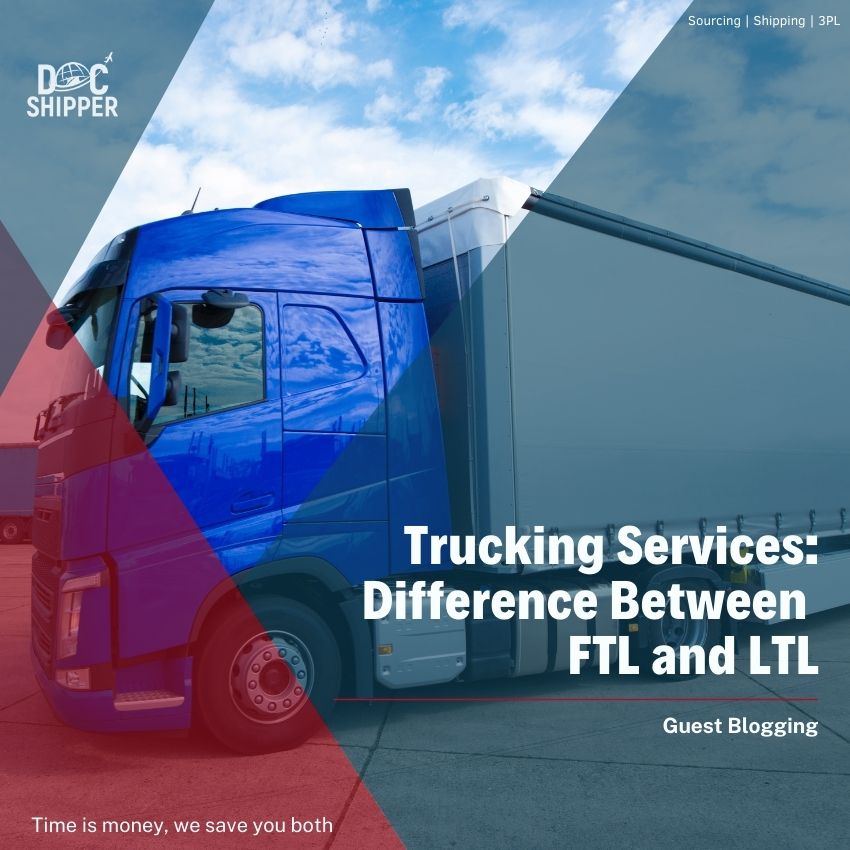


FTL vs LTL: how to choose the right trucking service for your freight

  • admin 15 Min
  • Published on June 8, 2021 Updated on May 23, 2026
img

In short ⚡

FTL vs LTL is a comparison between booking a full truckload just for your freight (FTL) or sharing trailer space with other shippers (LTL). FTL suits high-volume, time-sensitive, fragile, or high-value shipments with fewer handling points, while LTL fits smaller, budget-driven loads that tolerate longer, consolidation-based transit with more touches and higher damage risk.

In this article, you will find side‑by‑side FTL/LTL cost and risk comparisons, shipment profile and capacity rules, decision criteria and step‑by‑step workflows, plus Vietnam‑specific trucking routes, transit times, and practical service tips.

We hope you’ll find this article genuinely useful, but remember, if you ever feel lost at any step, whether it’s finding a supplier, validating quality, managing international shipping or customs,  FNM Vietnam can handle it all for you!

Free shipping quote 24h      I want to talk to a sourcing expert

FTL vs LTL basics: what they mean and how they work

If you’re comparing ftl vs ltl, you’re really choosing how your cargo transport “lives” on the road, either alone in a trailer or mixed inside a consolidation network. Here’s the thing, the difference changes your freight rate, your handling steps, and your lead time.

In freight forwarding and supply chain management, we see this decision ripple into everything, from inventory management and distribution planning to how you prepare your bill of lading and freight insurance. And yes, it even affects how calm you’ll feel during shipment tracking.

Quick workflow we use with clients (FTL/LTL decision starter):

Step 1, confirm shipment size and stackability. Step 2, map pickup and delivery schedule constraints. Step 3, assess handling sensitivity and packaging. Step 4, compare spot rate vs contract options. Step 5, validate Incoterms and who controls the trucking leg.

Checklist, before you pick ftl ltl:

  • Do you control pickup timing under your Incoterms, or does your supplier?
  • Is your freight unitized (pallets) and labeled for cross-docking?
  • Do you need fewer touches to reduce damage risk?
  • Are you optimizing for cost per shipment or cost per unit?
  • Is this lane part of multimodal transport (road haulage feeding sea freight or air freight)?
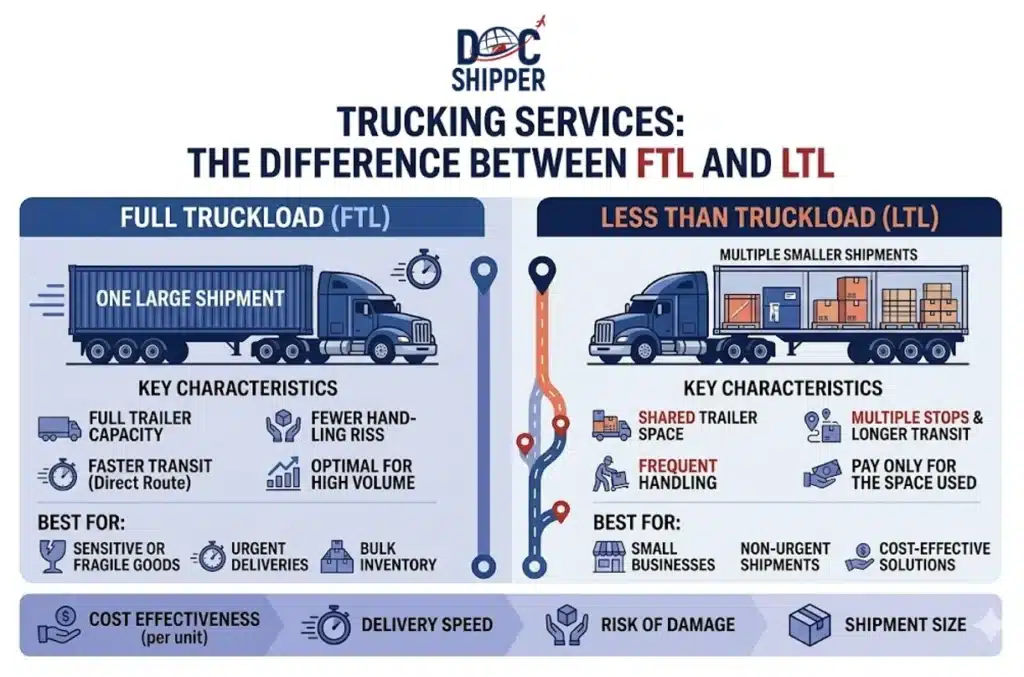
Criteria FTL service LTL trucking service
How space is used One shipper uses the whole trailer Multiple shippers share trailer space via consolidation
Handling points Typically fewer transfers More touches, terminals, cross-docking
Best for High volume, time-sensitive, higher value, or fragile freight Smaller shipments, flexible delivery windows, budget-driven moves
Pricing logic Per truck, lane, equipment type, spot rate vs contract By weight, dimensions, freight class, accessorials

DocShipper Info

Not sure whether FTL or LTL fits your flow?
Ask DocShipper for a tailored comparison, we break down rates, handling, and lead times before you book.

What is full truckload (FTL) service and when is it used?

An FTL service means your freight carrier dedicates an entire truck or trailer to your shipment, no other cargo inside. In an ftl vs ltl comparison, FTL is the “direct and controlled” option, fewer stops, fewer surprises.

From experience, you’ll notice fast that FTL feels simpler operationally, your supplier loads once, the truck rolls, and you focus on delivery schedule, proof of delivery, and exceptions management. That simplicity is why many procurement teams pick FTL when stockout risk is more expensive than the freight rate.

Micro-story, a buyer importing components for an assembly line once tried to “save money” by splitting into shared freight. The shipment missed the window, and the plant paid more in downtime than the difference between FTL and LTL ever was, after that, they booked dedicated capacity and aligned lead time with order fulfillment.

When FTL typically makes sense (ftl ltl decision rule-of-thumb):

  • You’re shipping enough pallets to use most of a trailer, or you need the trailer exclusively for safety.
  • Your cargo is fragile, high-value, or compliance-sensitive and you want fewer handling steps.
  • You’re feeding a port cutoff for sea freight, or a flight schedule for air freight, and timing is tight.
  • You need sealed transit, clear chain of custody, and easier claims management with freight insurance.

What is less-than-truckload (LTL) service and how does it differ?

LTL, or less-than-truckload, means you buy only the space you need, your pallets ride with other shippers through a hub-and-spoke network. In ftl vs ltl terms, LTL is the classic consolidation play, great when volume is light and your delivery window has some breathing room.

The key difference between FTL and LTL is what happens between pickup and delivery, LTL usually goes through terminals, cross-docking, and re-sorting, which affects both handling and transit predictability. This is exactly why packaging, labeling, and accurate dimensions matter so much.

Micro-story, we once saw a supplier ship “two pallets, no big deal” on an LTL trucking service, but the cartons weren’t properly strapped. One terminal transfer later, you’ve got crushed corners, a messy claim, and a buyer scrambling to rework inventory planning.

What you’ll manage more actively in LTL (ftl ltl operational reality):

  • Freight class, dimensions, and reweighs that can shift the final freight rate.
  • Accessorials like liftgate, residential delivery, appointment delivery, and limited-access sites.
  • More scan events for shipment tracking, but also more opportunities for exceptions.
  • Stricter packaging expectations to survive cross-docking and last-mile delivery variability.

Looking for a Reliable Shipping & Sourcing Partner?

We handle the entire sourcing process, supplier research, negotiation, production, and inspections, so you can focus on what matters most: growing your business.

Key differences between FTL and LTL that impact your costs and deadlines

quality outsourcingThe difference between FTL and LTL that hits you first is cost structure, but the bigger story is total landed cost and operational risk. In ftl vs ltl, you’re balancing freight brokerage pricing mechanics with real-world supply chain management constraints.

We’ve watched import and export teams obsess over the trucking line item, then get surprised by delays, accessorials, or damage that disrupts warehousing and distribution. To keep it grounded, we like to tie the choice back to a simple question, what’s more expensive for you, a higher spot rate today, or a missed delivery schedule tomorrow?

Checklist, cost and deadline drivers to validate:

  • Your true shipment profile, pallets, weight, dimensions, stackability.
  • Time constraints, port cutoff, production plan, customer promise date.
  • Handling sensitivity, packaging strength, and damage tolerance.
  • Rate format, per truck vs class-based, plus accessorial exposure.
  • Contract terms, cargo liability, freight insurance, and claims process.
Impact areaFTL (Full Truckload)LTL (Less Than Truckload)
Cost driverLane price, equipment, seasonality, spot rate vs contractFreight class, density, dimensions, accessorials, minimum charges
Deadline riskLower, fewer nodes in the networkHigher, terminal schedules and consolidation complexity
Damage riskLower due to fewer touchesHigher due to cross-docking and mixed freight

Step-by-step workflow, how we quantify “worth it”:

Step 1, calculate unit economics, cost per pallet and cost per unit delivered. Step 2, assign a value to time, stockout penalty or production downtime. Step 3, estimate damage probability based on handling count. Step 4, compare FTL and LTL quotes plus accessorials. Step 5, pick the option that minimizes total risk-adjusted cost.

DocShipper Alert

Hidden costs often sit behind the base rate.
Let us calculate your total landed cost, including delays, accessorials, and damage exposure.

Capacity, weight limits, and shipment profiles for FTL vs LTL

In ftl vs ltl, capacity is the most concrete divider, FTL books the whole trailer, LTL buys a slice of it. This is where ftl ltl planning meets reality, pallet count, linear feet, weight distribution, and whether your cargo can be double-stacked.

Micro-story, one exporter insisted they were “only shipping 10 pallets,” but each pallet was oversized and non-stackable. The LTL quote looked cheap until the carrier billed for excessive linear feet, at that point, an FTL made more sense and stabilized the freight rate.

If you want a practical shortcut, look at shipment profile first, then cost. The Council of Supply Chain Management Professionals often emphasizes aligning transport mode with demand variability, and you’ll feel that here when your volumes swing month to month.

Common shipment profiles we see for ftl and ltl services:

  • FTL: high-volume replenishment, time-critical inventory transfers, sensitive goods needing sealed transit.
  • LTL: sample shipments, partial POs, multi-SKU restocks, returns and reverse logistics flows.
  • Either: drayage to ports, feeder moves to rail freight ramps, repositioning to a bonded warehouse.

DocShipper Advice

Your shipment profile can flip the economics fast.
Share your pallet specs with us, we validate linear feet, stackability, and the best-fit equipment.

Transit time, handling, and risk of damage in each freight option

Transit time is where ftl vs ltl becomes a leadership decision, not just a logistics provider choice. FTL is typically more direct, LTL adds nodes, and every node adds handling, scanning, and a chance for something to go sideways.

Micro-story, we had a client shipping retail-ready cartons that needed to hit a distribution center appointment. They chose LTL to reduce cost, then missed the slot because the freight sat in a terminal over the weekend, the chargebacks wiped out the “savings” instantly.

Handling also changes how you should think about documentation, labeling, and claims, especially when cargo passes through multiple facilities. Tight paperwork discipline helps, accurate bill of lading, clear NMFC-style descriptions where applicable, and photos before pickup, and you’ll reduce disputes if you ever need to escalate.

What to expect operationally (and how to protect yourself):

  • FTL: fewer touches, faster point-to-point, better for high-value freight insurance logic.
  • LTL: more transfers, more exception points, stronger packaging and pallet integrity required.
  • Both: appointment delivery, last-mile constraints, and accessorial risk you should confirm upfront.

If you want, we can run this as a managed move through DocShipper, quoting carriers, validating packaging, and coordinating pickup to delivery with end-to-end shipment tracking. When your trucking leg connects to sea freight or air freight, we also align timing with customs clearance so your cargo doesn’t just arrive, it arrives usable.
DocShipper Alert

Every extra handling step increases risk.
Secure your cargo with the right mode and documentation, we coordinate tracking, insurance, and claims support.

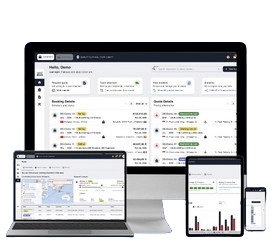
DocShipper Platform

One platform. Your entire supply chain

Sourcing, freight, customs & documents — all centralised, all visible, 24/7.

Trucking services the difference between FTL &LTL

How to decide between FTL and LTL for your next shipment

You should not choose between FTL vs LTL based on price alone, you need to look at load size, urgency, handling sensitivity, and total landed cost. The right decision aligns your freight profile with the operational reality of the route.

Criteria Choose FTL if… Choose LTL if…
Shipment volume You fill 70 to 100% of a trailer You ship 1 to 10 pallets
Weight Over 10,000 to 15,000 kg Below 10,000 kg
Transit time You need direct delivery with no stops You accept hub consolidation delays
Handling sensitivity Your cargo is fragile or high value Your cargo is standard and well packed
Cost structure You optimize per truck cost You optimize per pallet cost

If your freight is urgent or high value, you reduce risk significantly with a dedicated truck. If your shipment is small and flexible on timing, LTL gives you better cost efficiency.

  • Step 1: Measure exact CBM, pallet count, and gross weight.
  • Step 2: Define required delivery date and penalties for delay.
  • Step 3: Assess fragility, theft risk, and insurance requirements.
  • Step 4: Compare total cost, including fuel surcharge and accessorial fees.
  • Step 5: Validate with your freight forwarder before booking.

At DocShipper, we simulate both scenarios before you commit, so you see the financial and operational impact clearly. You make a decision based on data, not assumptions.

DocShipper Info

Still hesitating between cost and control?
We simulate FTL and LTL side by side, so you choose based on data, not assumptions.

FTL and LTL trucking in Vietnam: routes, costs, and service tips

In Vietnam, choosing between FTL vs LTL depends heavily on geography, infrastructure, and cross-border requirements. The North to South corridor from Hanoi to Ho Chi Minh City is the backbone of domestic trucking.

Main Route Typical Transit Time Best Option
Hanoi to Ho Chi Minh City 2 to 4 days FTL for urgent, LTL for small loads
Hanoi to Hai Phong Port Same day FTL for export containers
Ho Chi Minh to Phnom Penh 1 to 2 days FTL preferred for customs control
Industrial zones to ports Same day or next day LTL for small factory shipments

LTL in Vietnam often involves consolidation warehouses near major cities, which may add one handling stage. FTL is widely used for export cargo heading to Cat Lai or Hai Phong port.

  • Book early during peak export seasons, especially before Tet.
  • Confirm truck type, 15 ton, 18 ton, container chassis, depending on cargo.
  • Check road restrictions inside city centers during daytime.
  • Secure cargo properly due to variable road conditions.
  • Clarify customs procedures for cross-border ASEAN trucking.

When you work with us, we coordinate trucking, customs clearance, and international freight as one chain. You avoid gaps between domestic transport and global shipping.

DocShipper Advice

Vietnam routes require tight coordination.
Bundle trucking, customs, and international freight with DocShipper to avoid costly gaps and port delays.

Conclusion

The debate around FTL vs LTL is not about which one is better, it is about which one fits your shipment profile. You must align cost, risk, and timing with your supply chain priorities.

  • Choose FTL when you need speed, security, and full trailer capacity.
  • Choose LTL when you ship smaller volumes and optimize per pallet cost.
  • Analyze total landed cost, not just base freight rate.
  • Factor in handling frequency and damage risk.
  • Work with an experienced forwarder to model both scenarios before booking.

If you want a precise recommendation for your next shipment, we at DocShipper can run a side by side FTL vs LTL comparison tailored to your cargo. You gain clarity, control, and a smarter logistics strategy.

FAQ | FTL vs LTL: how to choose the right trucking service for your freight

FTL trucking is when a carrier dedicates a whole trailer to your shipment alone from pickup to delivery. In practice, that means a single loading event, a sealed trailer, and a direct route with minimal stops. It’s typically booked by lane (e.g. Hanoi–HCMC), truck type, and date, and is ideal when you either fill most of the trailer or need exclusive use for security or compliance reasons.

Ask us anything!

Need Help with Logistics
or Sourcing in Vietnam ?

First, we secure the right products from the right suppliers at the right price by managing the sourcing process from start to finish. Then, we simplify your shipping experience - from pickup to final delivery - ensuring any product, anywhere, is delivered at highly competitive prices.

Component-15-2.png

Live Chat

Get instant assistance from our team—
just click and start chatting!

Live Chat Now
image

Fill the Form

Prefer email? Send us your inquiry, and we’ll get back to you as soon as possible.

Contact us
image
Component-15-2.png

Call us

Reach out to us on WhatsApp for quick, convenient, and personal support.

Call us
image
Component-15-2.png